Good morning, puzzle friends, and welcome to a quiet campsite in the pine woods.
A friendly fellow in a red checked shirt is sitting on a log beside his little fire, waiting for the water to boil.
The tent is up, the lantern is ready, and the backpack is packed for the day ahead.
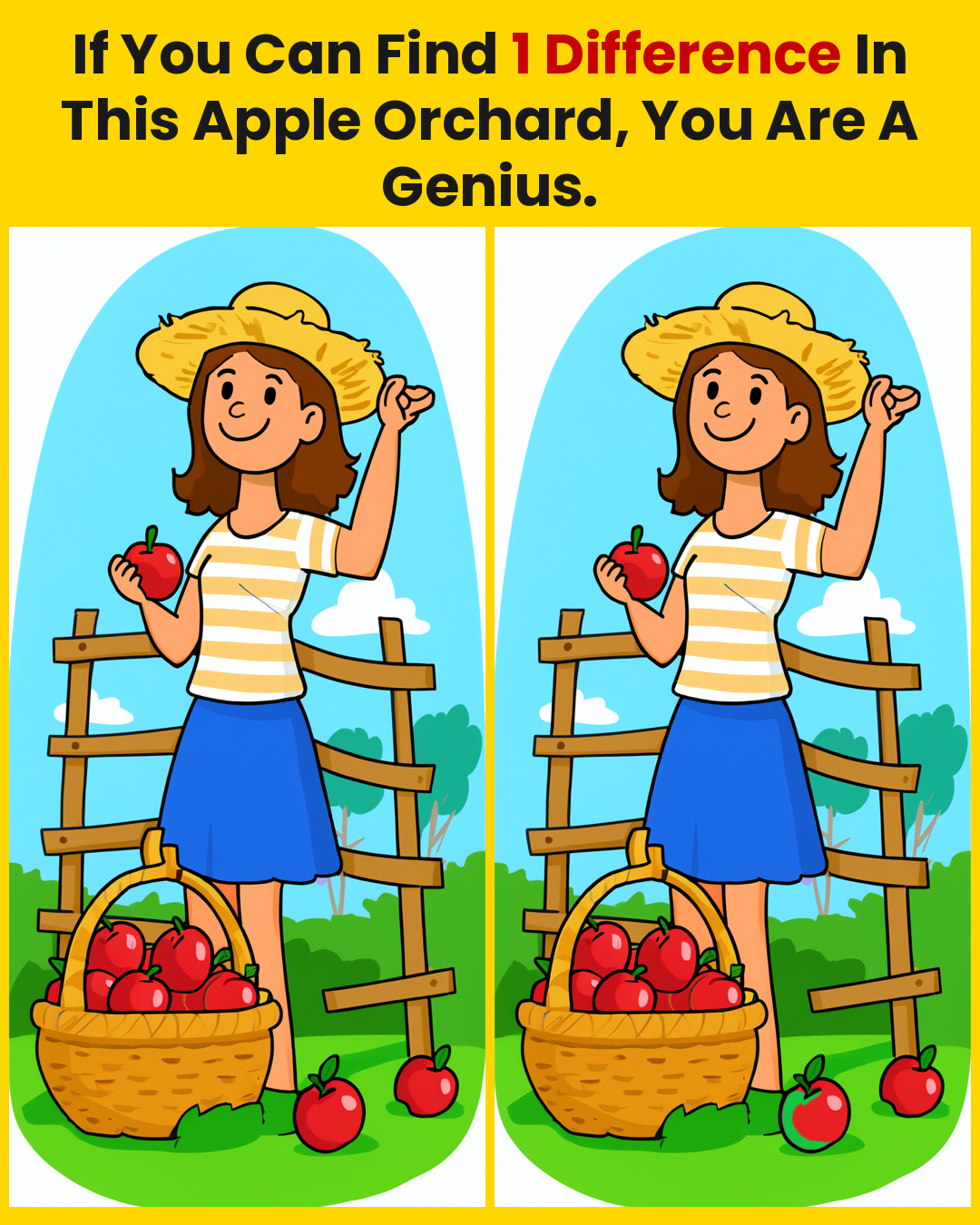
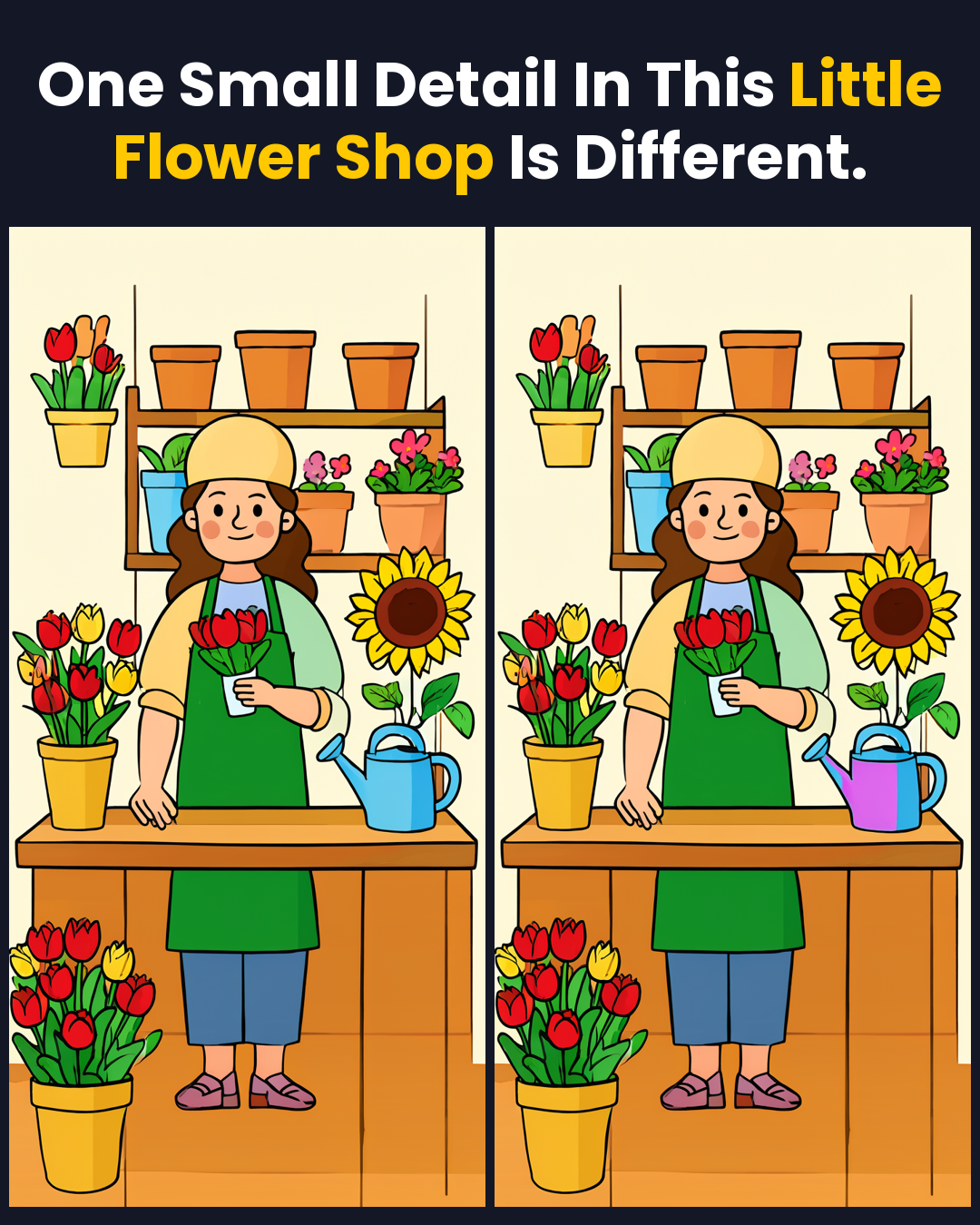
Two pictures of this peaceful morning sit side by side, and they look like twins.
They are not twins, though. One single detail in the second picture has changed.
It is not the man, it is not the fire, and it is not a tree.
Look slowly and calmly, the way you would look for your keys at home.
Ready? Let us see how sharp your eyes are today.
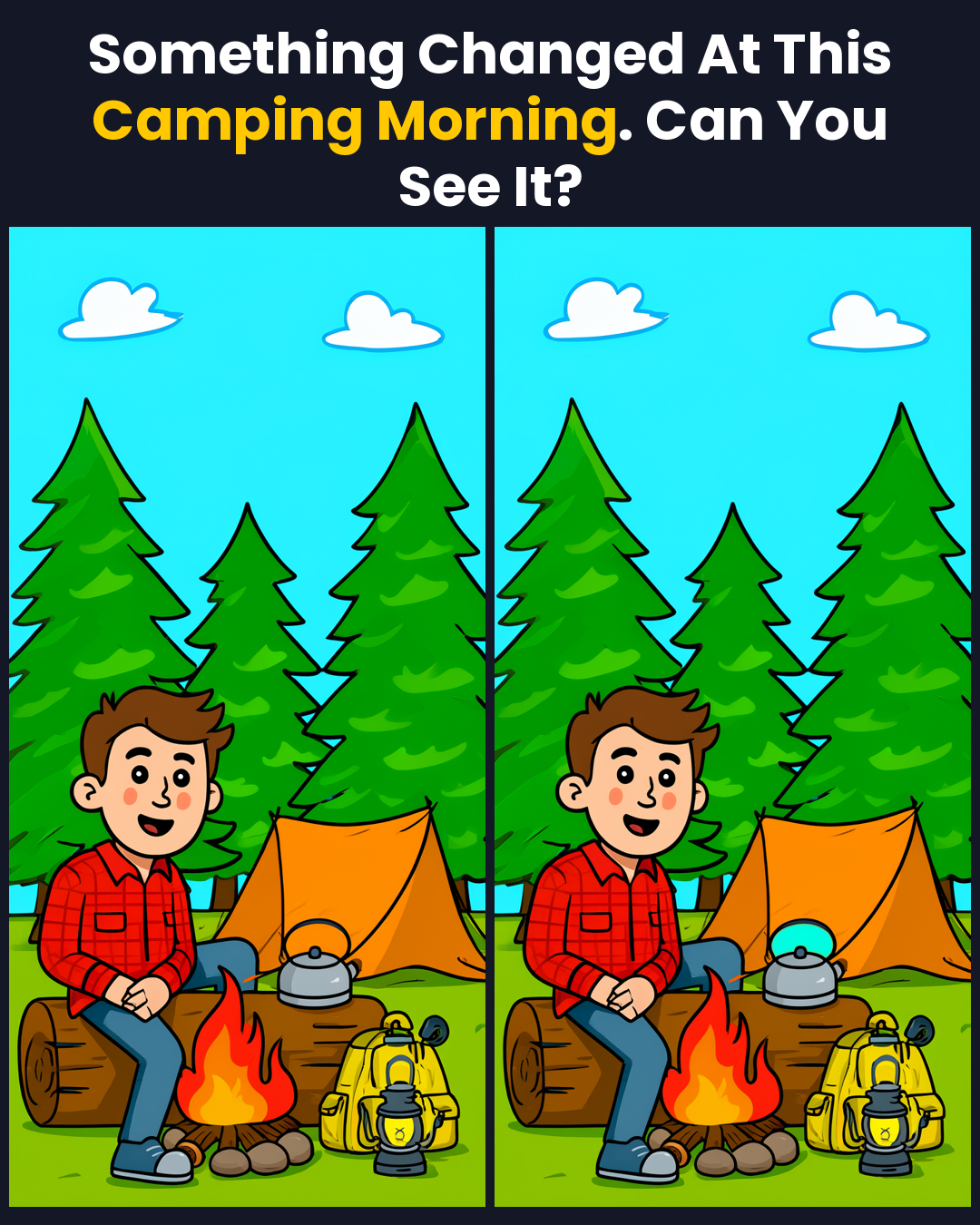
Take your time and look closely before you scroll down!
A Smart Way To Search
The biggest mistake is to let your eyes jump around at random. They always land on the brightest spot, which here is the campfire, and after a few seconds they come back to it again.
Try this instead. Split each picture into four squares in your mind: top left, top right, bottom left, bottom right. Compare one square at a time and finish it before you move on. The trees belong to the upper squares, the fire and the gear to the lower ones.
Then go after the objects themselves. The tent, the lantern, the backpack, the kettle, the stones around the fire, the man’s shoes. Name each one out loud if it helps. Naming slows you down, and in this game slow is exactly what wins.
Why The Brain Gets Fooled
Your eyes send a huge amount of information to the brain every second, far more than it could ever use. So the brain keeps only what it thinks matters: a man, a fire, a tent, some trees.
When you look at the second picture, you are really comparing it with that short list, not with the first picture. Anything that stayed in the same place and kept the same shape passes without question, even if its color is new.
Color is also a surprisingly weak memory. Most of us could not say from memory what color our neighbor’s front door is, even though we walk past it every week. A puzzle like this one simply makes gentle fun of that very human habit.
Puzzles Around The Campfire
Long before anyone had a screen, puzzles like this one were printed in weekly magazines and handed around the table after supper. Families kept the page for the whole week, and whoever found the last difference got to feel clever until the next issue arrived.
There is a good reason these pictures never went out of fashion. They are quiet, friendly and completely fair. Nobody needs special knowledge, there is nothing to learn beforehand, and the answer is always sitting right there in front of everyone.
A Friendly Dare
The average time for this camping scene is around thirty five seconds. Anything under fifteen is genuinely impressive.
If you get stuck, try looking at the picture with your eyes slightly relaxed, as if you were daydreaming. Differences in color often jump out of the corner of your eye before you can name them. And when you finally see it, show the picture to someone else and watch them search in all the wrong places.
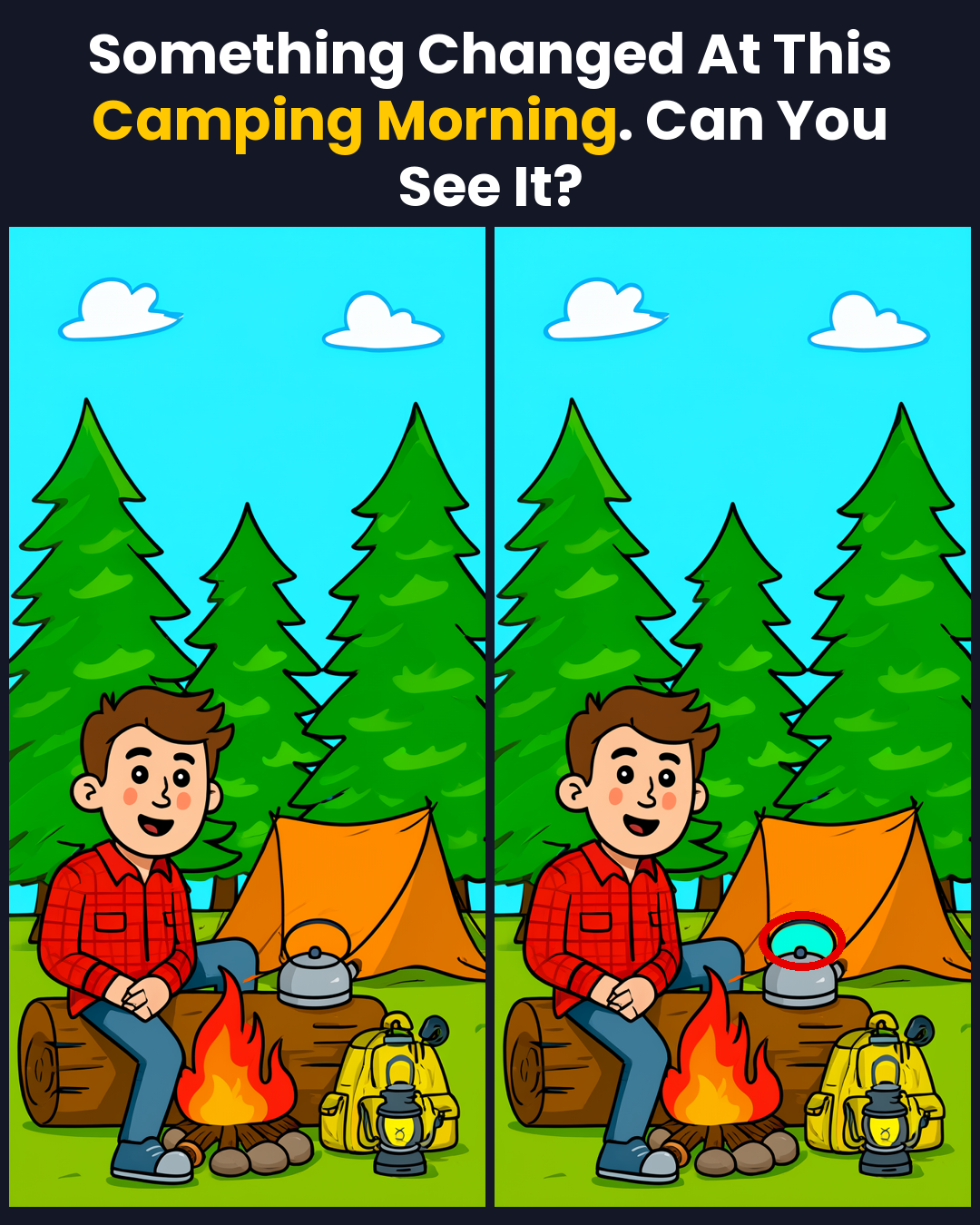
ANSWER: The lid of the kettle changed color – it is turquoise in the second picture instead of grey.
Where The Change Was Hiding
The answer is sitting over the fire. Look at the kettle beside the flames, just in front of the orange tent. In the first picture the whole kettle is grey, lid included. In the second picture the little lid on top has turned a bright turquoise blue.
The kettle keeps the same shape, the same position and the same size, so nothing about its outline draws your attention. Only the small round lid is different, and it is partly screened by the flames that keep stealing your gaze.
Why Most People Walk Past It
A campfire is the brightest, most moving thing in the picture, and our eyes are built to watch flames. The kettle sits right next to that glow, which sounds helpful but is not. Anything close to a very bright object tends to be seen as background.
On top of that, a kettle is a familiar everyday item. The brain recognizes it instantly, ticks it off the list and moves on to something more interesting, without ever checking the color of its lid.
So, How Did You Do?
Under ten seconds means you have remarkable eyes and a very patient way of looking. Under thirty seconds is a fine result that beats most people. Up to a minute is perfectly normal and nothing to apologize for. Longer than that, and you have simply met a well made puzzle, which is the best kind to meet.