Hello, puzzle friends!
Today we are stepping into a sunny backyard, right next to a warm grill.
The sausages are sizzling, the lemonade is cold, and the picnic table is already set for the family.
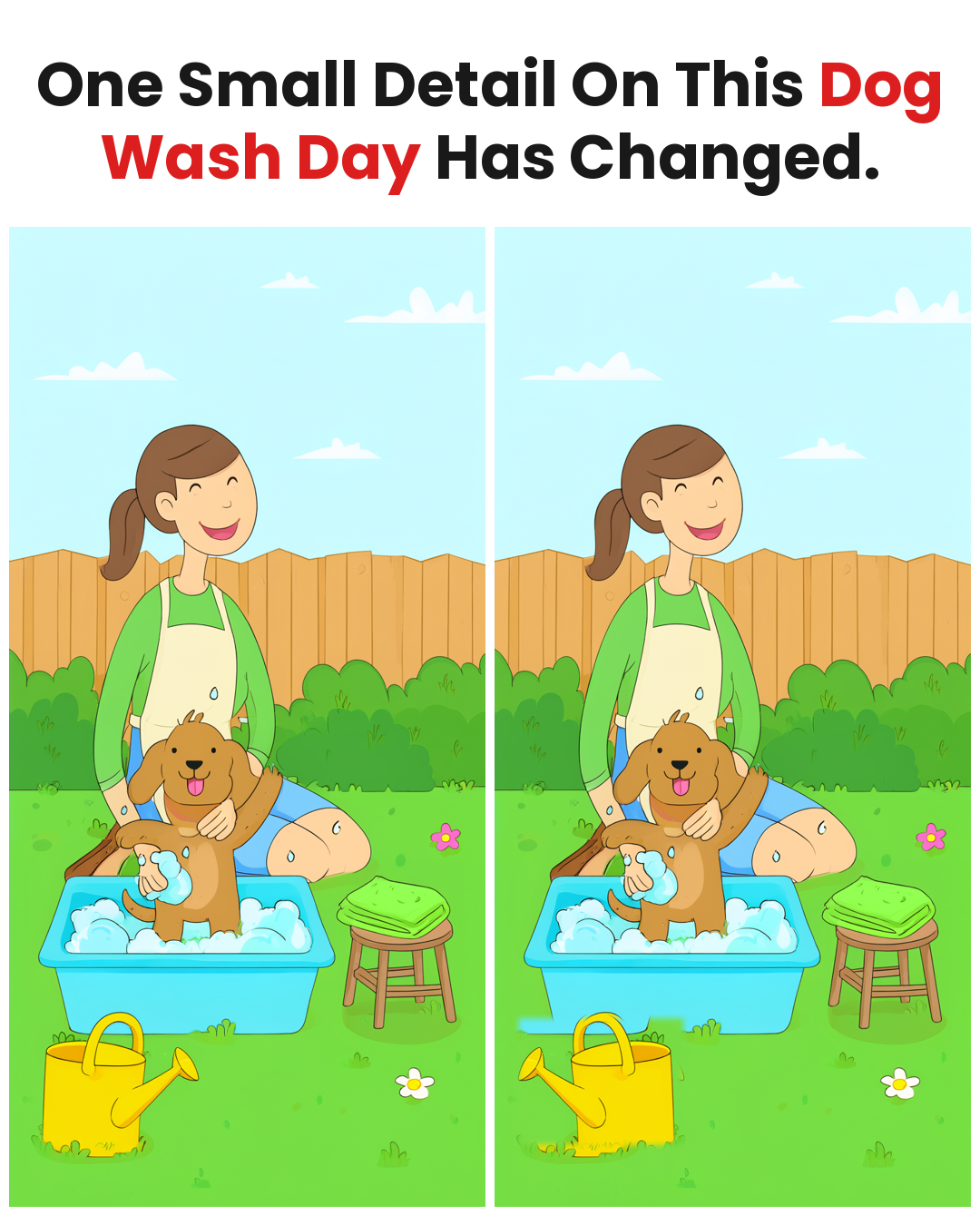
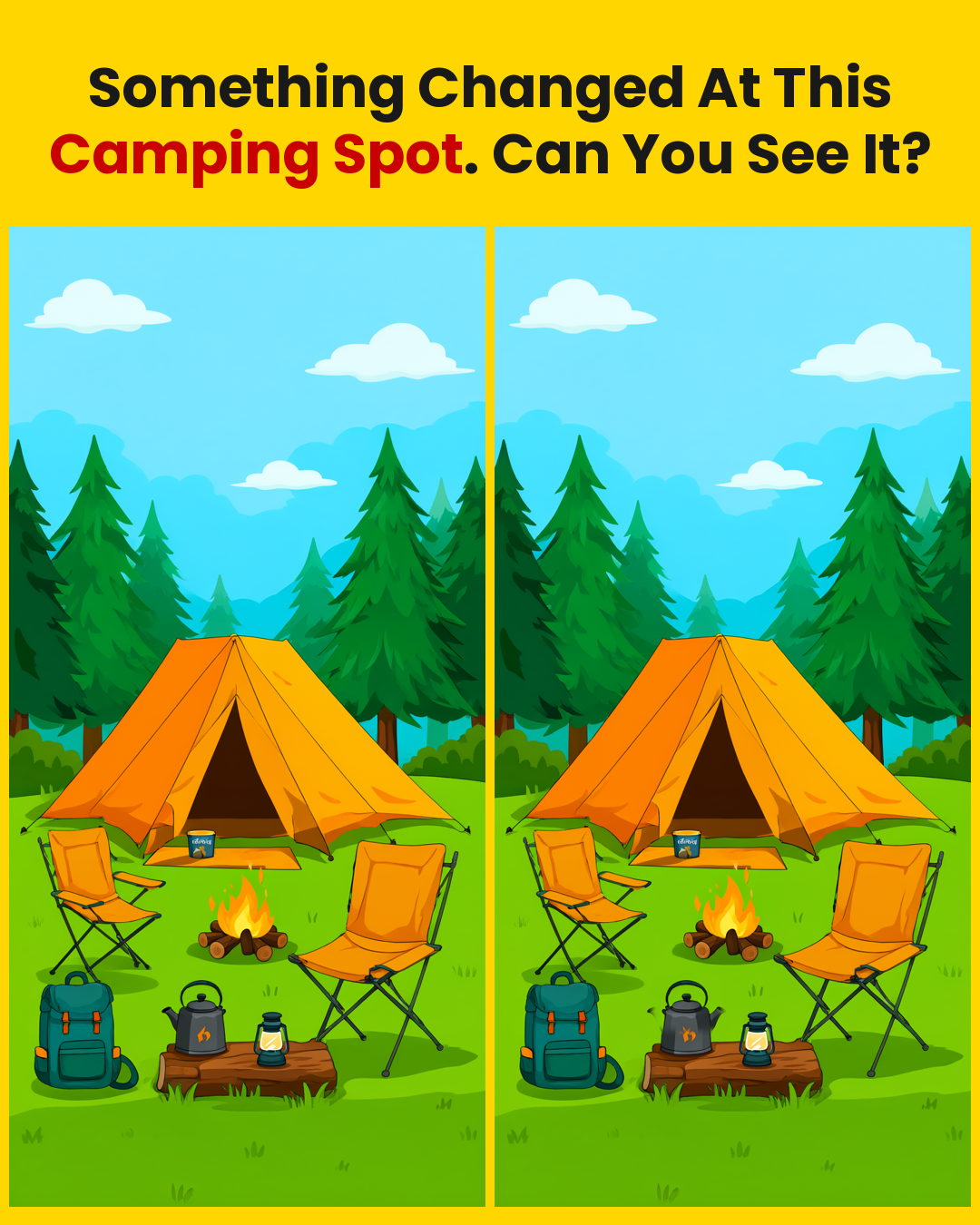
At first glance the two pictures look exactly the same, but the artist quietly changed one small detail in the picture on the right.
Only one thing is different, and it is hiding in plain sight.
Take your time, look from the sky down to the grass, and trust your eyes.
Most people find it faster when they stop staring and start comparing small areas, one by one.
Ready? Let us see if you have the sharp eyes of a true barbecue champion.
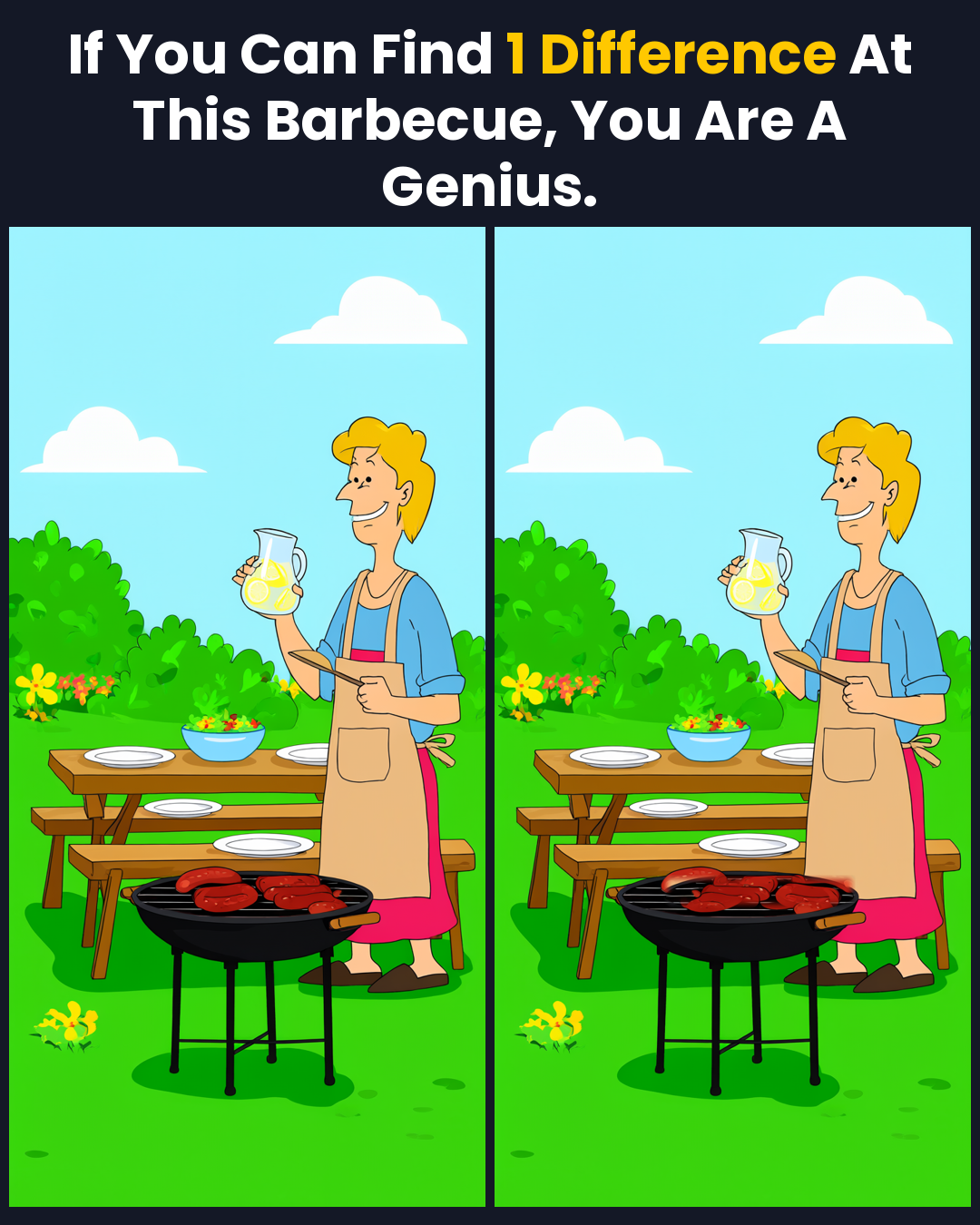
Take your time and look closely before you scroll down!
Start With A Plan, Not With Your Eyes
The biggest mistake people make with a spot-the-difference picture is letting their eyes wander wherever they like. The eyes love bright colours and friendly faces, so they jump straight to the smiling woman and the big orange grill, and then they jump back again. Five minutes later you have looked at the same two spots twenty times and at the rest of the picture not at all.
A much better way is to divide the picture into rows, as if you were reading a book. Look at the sky and the clouds first, all the way across. Then the bushes and the flowers. Then the table and the plates. Then the ground, the shoes and the grass. When you work in strips like this, every part of the scene gets its fair turn, and the change cannot hide behind your habits.
The second half of the trick is to compare small things, not big things. Count the plates. Look at the handle of the jug. Check the ties of the apron. A change is almost always a detail, never a whole person, so the details are where your attention should live.
Why Our Brain Loves To Be Fooled
Our brain is not a camera. It does not store every line and every colour of what we see. Instead it takes a quick look, decides what the scene is about, and then fills in the rest from memory and from habit. That is wonderfully useful in daily life, because it lets us cross a street or find our keys without thinking. In a puzzle, however, it works against us.
When you look at the second picture, your brain has already decided that it knows this scene. A garden, a grill, some sausages. It kindly copies the first picture into the second one, and the small change simply disappears under that copy. Scientists call this change blindness, and even trained observers fall for it.
There is a second trap in this picture. A change that keeps the same shape, the same colour and the same size is far harder to see than a missing object. Nothing is gone here. Everything is exactly where you expect it to be. Only the arrangement is different, and arrangement is the first thing a busy brain stops checking.
A Little History Of The Two-Picture Puzzle
Spot-the-difference puzzles are older than most people think. They became popular in family newspapers and children’s magazines more than a hundred years ago, when printers discovered that they could print the same drawing twice and change a few small lines on the second plate. Families would gather around the kitchen table on a Sunday and argue happily about a missing button or a shorter chimney.
Today doctors and researchers use the very same idea to study attention, and pilots and air traffic controllers train with similar exercises. What looks like a bit of fun is in fact a small workout for a very useful skill: noticing what has quietly changed.
Your Friendly Challenge
Most people need between thirty and sixty seconds to find the difference in this barbecue scene. If you spot it in under twenty seconds, your eyes are in excellent shape and you may safely call yourself a genius at the grill.
Try it once at your own pace, and then show the picture to a friend or to someone in your family without saying a word. Watching another person search is half the fun, and you will be surprised how often two people find it in completely different ways.
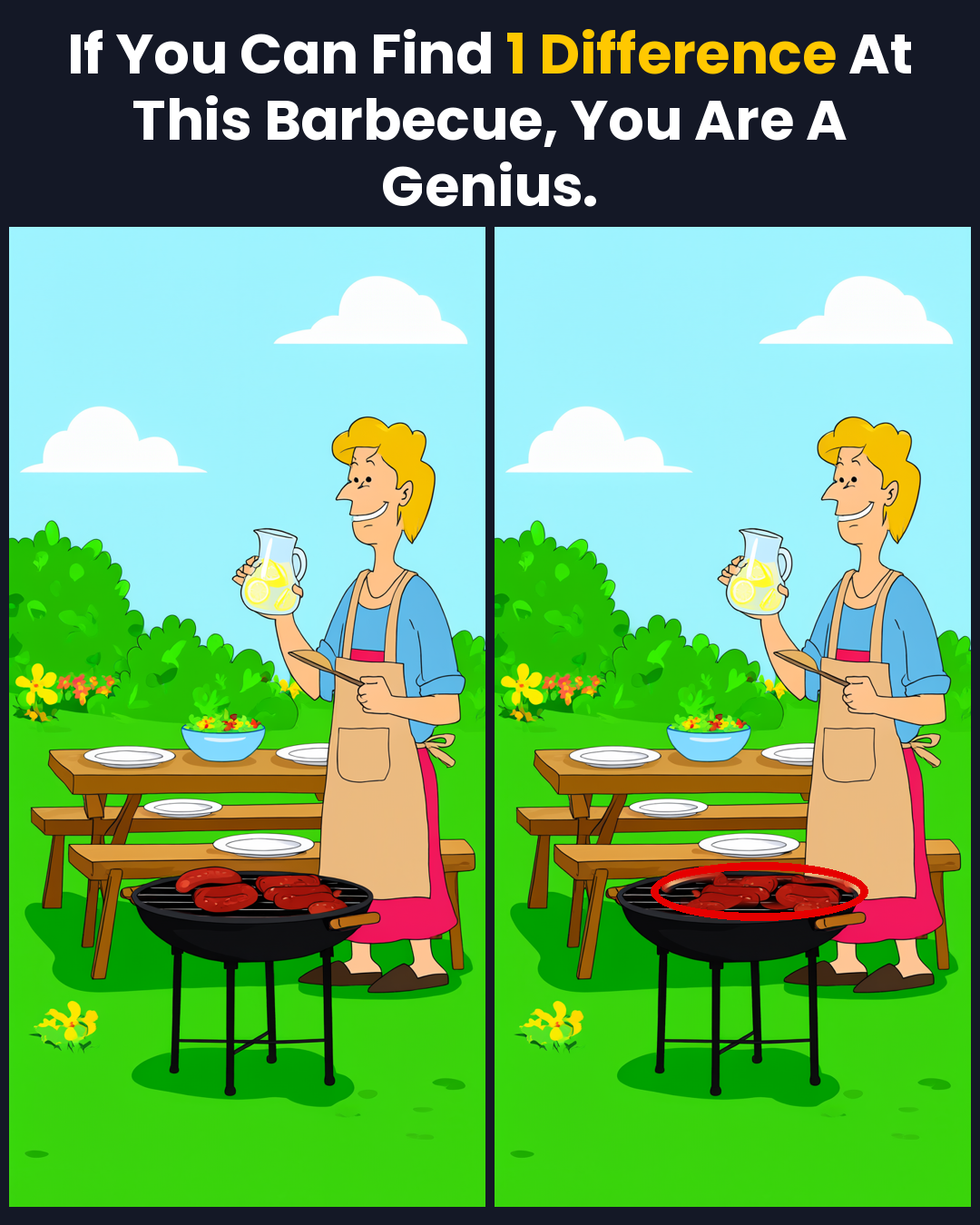
ANSWER: The sausages on the grill – in the right picture they lie the other way round, like a mirror image of the left one.
Where The Change Is Hiding
The difference is down on the grill, right in the middle of the picture. In the left photo the sausages lie in one arrangement; in the right photo the whole group has been turned around, like a reflection in a mirror. The sausage that pointed to the left now points to the right, and the little gap between them has moved to the other side.
Nothing was added and nothing was taken away, which is exactly why this one is so difficult. Your brain counts the sausages, sees the same number, sees the same colour, and happily decides that the grill is fine. It never checks the order, because in real life the order of sausages on a grill means nothing at all.
The bright orange flowers, the blue bowl of salad and the cheerful face at the top of the picture do their part too. They pull your eyes upward and keep them busy, while the real change sits quietly at knee height.
How Did You Do?
Under 10 seconds: eagle eyes. You compare pictures the way a professional proofreader reads a page, and very little gets past you.
10 to 30 seconds: excellent. You searched with a method instead of guessing, and it paid off.
30 to 60 seconds: right in the middle, together with most readers. Your attention is healthy and steady.
Over a minute, or a peek at the answer: no harm done at all. This one was built to be stubborn, and a scene that keeps every object in place is the hardest kind there is. Come back tomorrow and try the next one; this really is a skill that grows with practice.