Sleight of Hand, Full of Heart: The 10 Slickest Got Talent Magicians
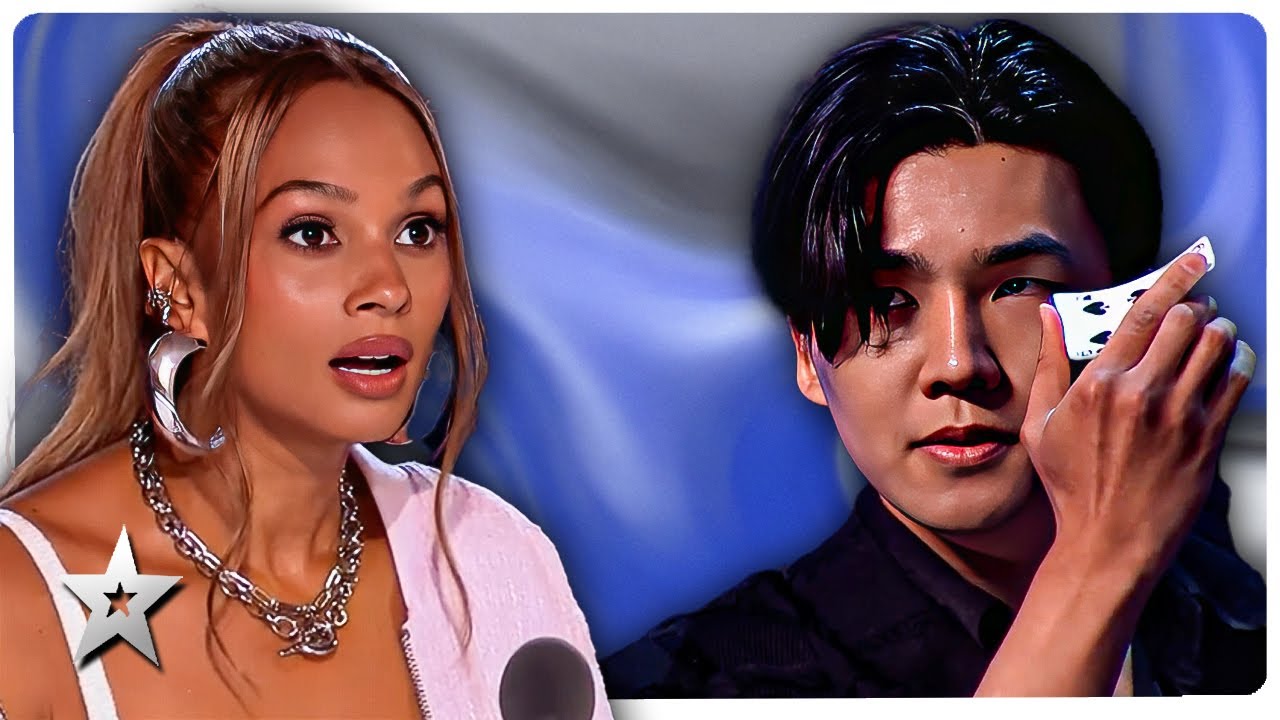
Breathe in. Breathe out. It sounds like a meditation cue, but on the Got Talent stages it’s an invitation to notice—and miss—everything. These shows have built a global laboratory for surprise, where a look, a pause, or a borrowed object can turn into a fuse for the impossible. This video curates the slickest sleight-of-hand artists to step under those lights, and it proves a simple truth: in the right hands, reality is a flexible thing.
Star power, in a snap
“What is your name?” a judge asks. “My name is Florian Savay. I come from France,” the young magician replies. He says his dream is a world tour, but first he needs “to show my magic to the world.” He starts small, even casual. “Does anyone have sunglasses right now?” he asks. When a staffer named Grace offers a pair, a playful voice from the table teases, “What’s she bringing sunglasses to work for?” and another shoots back, “Because she’s a star.” The room loosens—and then tightens. Savay’s pacing is sleek. His hands do the talking, and the panel hears it loud and clear.
“You found a whole new way of presenting magic, and you’ve just got a real star quality.”
“Your stage presence is sensational.”
“It’s one of the best magicians we’ve seen all year.”
“That was so slick. Choreographed to perfection,” one judge adds. The votes stack—yes, yes, yes, yes—and then the theatre itself seems to play along. “Oh, what’s happening?” someone blurts as stage elements glide and close. In that hush you feel what great close-up performers understand: control the moment, and the room follows.
From tiny village to pure wonder
“What is your name?” “My name is Hara.” He says he’s from a “very, very tiny village. It’s called Totsukawa Village in Japan,” and that performing here was his biggest dream. He moves like a painter, not a hustler, and conjures a bright, cinematic sequence that blooms into an avian shock. “The fact that you just turned into a pigeon in front of our eyes,” a judge marvels, “that is unbelievable.” Another adds, “Not until I saw your act can I truly say, now I believe in magic.” For two minutes, as one panelist put it, “it was like being in the happiest place.” The scoreboard answers with a clean sweep: “A million percent yes… Four yeses.” Backstage, the buzz lingers: “Amazing… Just imagine waking up to that every day.”
When tiny movements feel huge
Not every wizard brings feathers or set pieces. Some bring a quiet storm. “Mean, it’s just so subtle and so perfect,” a voice says of a deft card routine that looks like nothing—and everything. “You are exceptional… a monster in the magic world in a good way,” comes the verdict. Another judge leans into the craft itself.
“Technically, this is like a master class, isn’t it?”
“There’s something to be said in magic for the big effects. There’s really when it comes right down to it, no jive, just raw, brutal, unbelievable skill. Those hands, they are the best I’ve seen.”
That tension—between flash and feel—is the heartbeat of sleight-of-hand. A turn of the wrist, a breath that buys a beat, a cut that doesn’t look like a cut. The best hands make quiet look loud.
The ring that jumps—and a finger that… moves
Close-up, inches from the judges, another artist builds a tiny circus out of a ring. “Please check the ring,” he says with a grin. “It’s just a ring. Right?” On his pinky, it hops. On his ring finger, it jumps again. The crowd warms to the charm of it, the lightness. Then he spikes the room: “Many people think I moved the ring very quickly, but, actually, I didn’t move the ring.” He pauses. “Watch. I moved a finger.” Gasps hit like a wave. “No. No,” someone cries as his anatomy seems to realign and reset. “I had never seen anything like this,” a judge says. “That’s actually one of the most crazy close-up magic I’ve ever seen… You’re amazing.” The panel delivers four green lights—“Yes… Yes… Yes… your fourth yes”—as the magician bows, jittery with joy. “Feel so excited, and I’m now shaking,” he admits. A host fires back with a joke: “Well, don’t let them fall off.”
An arrow that forgives—and a deck that won’t behave
Then comes a card mechanic with a schoolyard smile and a script that winks at failure. “Today, I will show you guys a card trick,” he says. “First effect is finding four aces. Watch carefully.” He flips the first. Then he shows an extra tool. “Do you see this arrow card? This arrow card will help me whenever I make a mistake.” He pockets it, in plain sight. The humor keeps it human. “Empty wallet,” he shrugs at one point. “I’m broke.” He delivers a surprise from that very wallet anyway.
With help from the panel—“Simon, please shuffle the card… Amanda, please touch any card”—he steers into a counting sequence that builds suspense one pip at a time. “Ace, two, three, four… eight,” he rattles off, then feigns a stuck gear: “That is all I can do. So I use this arrow card to find the nine of spades.” The arrow obeys. Later, he tries to conjure a royal run. “Three more to go… and I hope this is Jack, queen, king.” A beat. “Uh-oh.” The table laughs at the fake fumble—right before the Jack, the Queen, and the King of spades stride in anyway. “Oh my god,” someone blurts. “What?” The audience doesn’t know whether to laugh or shout, so they do both.
Magic, remembered
Not every routine is built on shock. One magician lays out a thread of his life, the way you’d unspool film on a kitchen table. “This is me when I was one year old,” he says. “This is when the real magic began for me.” He speaks of “special memories” and the day he learned that “in my imagination, any magic was possible.” The visuals echo the words—pieces of ideas turning into objects, into moments, into a hush that feels like a shared secret. “When you believe in your imagination,” he says, “sometimes the pieces of your imagination become reality… Just like this moment.” It’s gentle, and it lands.
The great return
Then the room braces for a champion. “Howard, can you try opening your cup?” a magician asks, almost lazily. A few beats earlier, he had led the judges through a familiar dance: “Pick one of these cards… Write your name right over there… Show the camera.” He has them stand, sit, breathe—tiny bits that sound silly until the reveal hits. The cup opens. Silence flips into shrieks. “No.” Then, “That’s my card.” Another lid lifts: “Ain’t Howie’s card.” The air crackles with that rare mix of awe and laughter that only close-up can spark—when the impossible is inches from your thumb.
“Shin, you did it yet again… another jaw dropping performance.”
“The great Shin.”
“I don’t think many people having won the show would have had the guts to come back again this year and do what you’ve done. And for that, you have my utmost respect… you were amazing.”
It’s a reminder that even the most celebrated hands can still surprise, still find a new corner of the stage to hide a miracle.
Why this kind of magic sticks
Sleight-of-hand on television can feel like a dare. Cameras catch everything, the audience sits yards away, and the judges don’t blink. Yet the greats lean into that pressure. They borrow sunglasses. They make rings hop and fingers misbehave. They turn a wallet gag—“Empty wallet. I’m broke”—into a punchline and a plot twist. They use an “arrow card” to forgive a fake mistake, proving they never needed forgiveness. And they point the room’s gaze at one cup, one breath, one word, while the miracle grows somewhere else.
On these stages, the compliments say as much about the craft as about the performers. “So subtle and so perfect,” one judge murmured. “Choreographed to perfection,” said another. The praise for raw skill—“no jive, just… unbelievable skill”—sits right beside joy. “For those two minutes, it was like being in the happiest place,” a panelist confessed after a pigeon flapped into view. The magic works because the hands are good, yes, but also because the hearts on stage are open. “I come from France,” one said simply. “I’m from a very, very tiny village,” said another. They brought their roots, and the room felt it.
Across the montage, the tone swings from crisp to dreamy, from cheeky to tender. One moment, a host is laughing about waking up to live pigeons. The next, a judge is whispering “Wow” at a color change almost too soft to see. The piece captures what these shows have always promised at their best: that wonder can be both loud and quiet, that it can arrive with feathers or with a fingertip.
Maybe that’s why the votes feel like more than passes to the next round. “Yes,” a judge says, often with a smile that arrives a second late, as if their brain is still catching up to their eyes. The “four yeses” that echo through the video aren’t just formalities. They’re little statements of belief—from professionals who earn a living doubting—to artists who make a living daring.
Breathe in. Breathe out. That’s how this journey begins, and how it resets between astonishments. If you want to feel your sense of reality tugged, tilted, and then set back down a half inch to the left, settle in and watch. The deck is ordinary until it isn’t. The wallet is empty until it isn’t. The coffee cup is a coffee cup—right up until the moment you open it. Then you’ll know why the judges said “wow,” why the crowd stood, and why these ten magicians now live rent-free in the happiest place: your imagination.
Press play, and keep your eyes open. Or don’t. Either way, the hands will win.