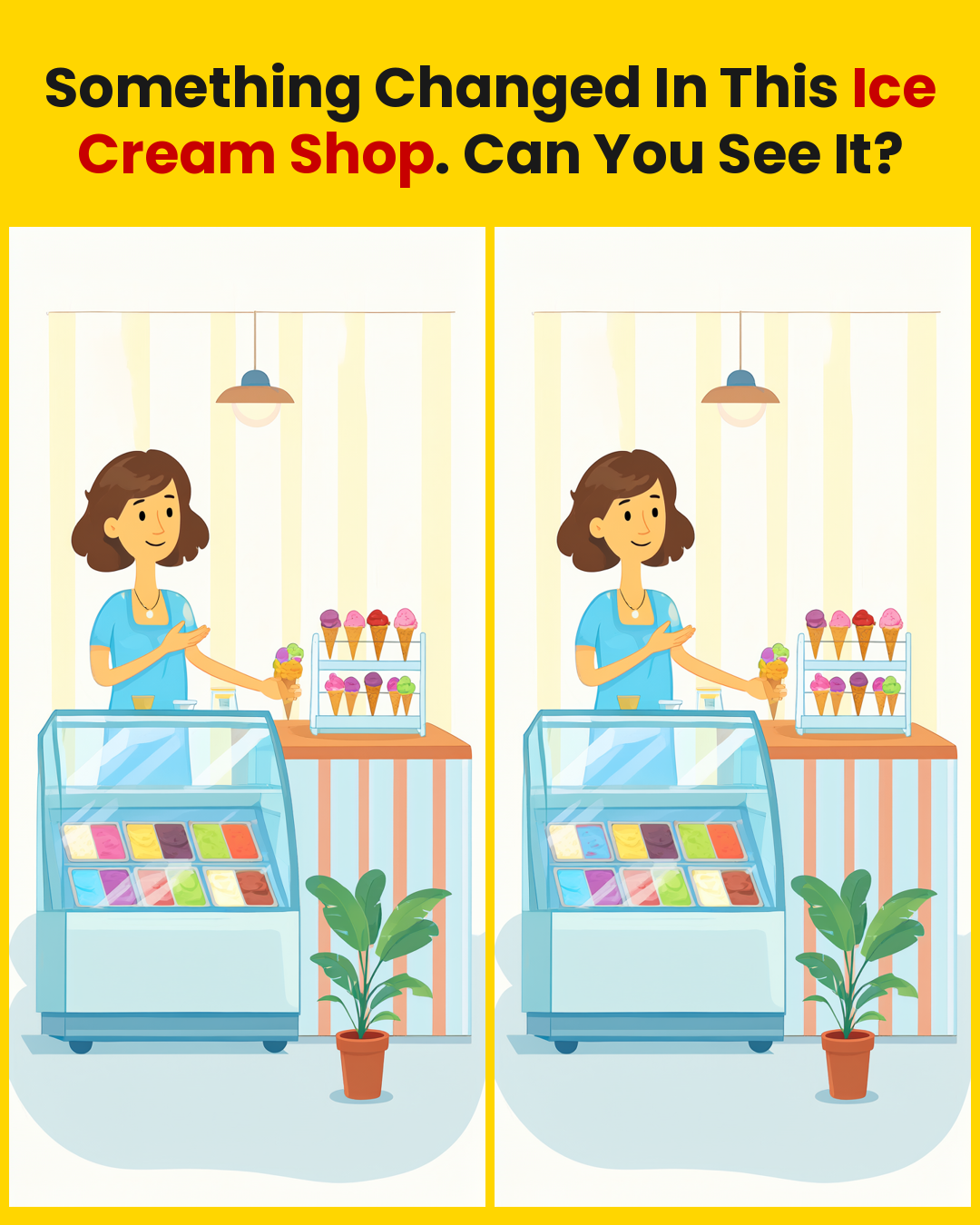
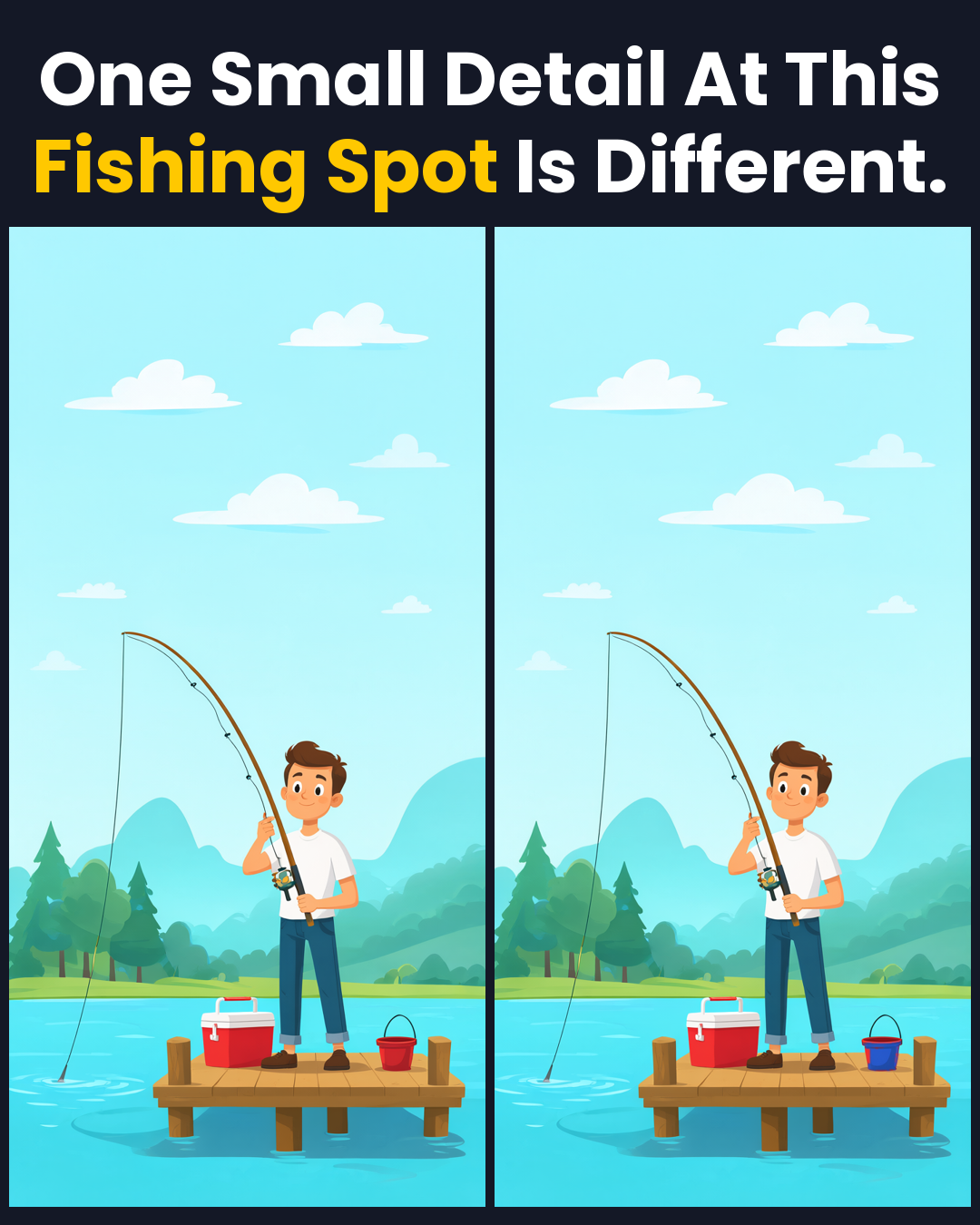
Hello again, puzzle friends!
Today we are standing in front of a sunny little flower stall, and the lady behind the counter is ready for her first customers.
Two pictures, tulips everywhere, sunflowers in a bucket – and one single detail that is not the same on both sides.
Only one thing changed. Everything else is exactly the same.
Take your time and let your eyes walk slowly from the awning down to the wooden crates on the ground.
A small tip: start with the things that have a strong colour, and compare them one by one.
Ready? Let’s see if you have the eyes of a genius.
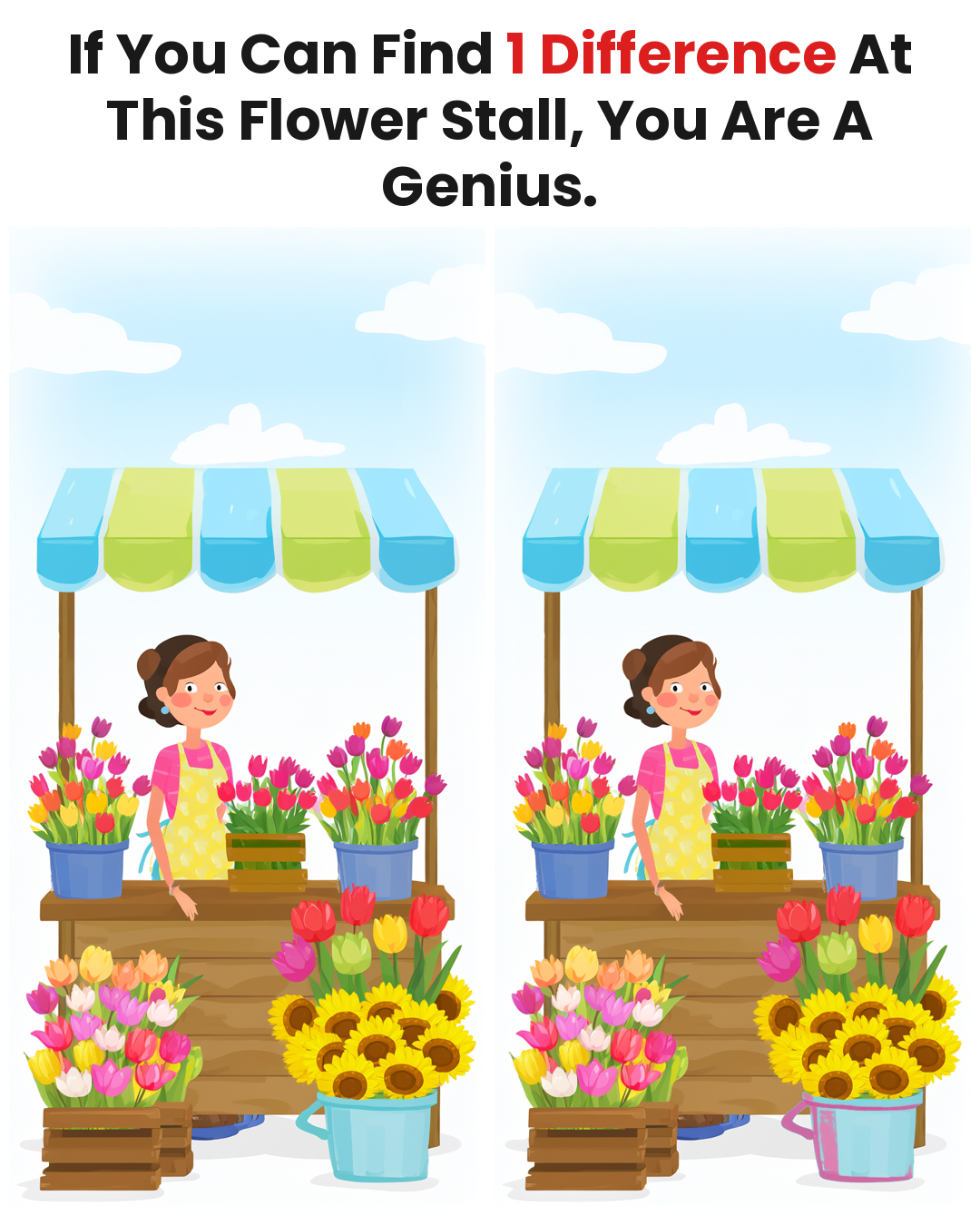
Take your time and look closely before you scroll down!
Work The Picture Like A Grid
The biggest mistake people make with a spot-the-difference picture is looking everywhere at once. Our eyes jump from one bright colour to the next, and in a picture full of tulips that means we keep looking at the same flowers again and again while the real change sits quietly somewhere else.
A much better method is to divide the picture into four parts in your mind: top left, top right, bottom left, bottom right. Compare only one part at a time, left side against right side, and do not move on until you are sure that part is identical. It feels slower, but it is far quicker in the end.
When you have done that, go back and check the objects that are easy to forget: handles, rims, little shadows, the edge of a crate, the ribbon on an apron.
Why Our Brain Finds This So Hard
Our eyes do not take a photograph. They take quick samples and the brain fills in the rest from memory and expectation. That is a wonderful system for walking through a busy street, but it is a terrible system for finding a small change in a picture.
There is a well known effect called change blindness. When two pictures are full of colour and detail, people can stare straight at the changed spot and still not notice it, because the brain has already decided what that corner of the picture looks like.
Colour makes it worse. Bright red and yellow flowers pull our attention like magnets, so the quieter objects at the edges get almost no attention at all. That is why a good puzzle maker never hides the change in the brightest place.
A Little History Of The Two-Picture Puzzle
Spot-the-difference puzzles have been printing in newspapers and family magazines for well over a hundred years. In the early days an artist had to draw the same scene twice by hand, carefully changing one button or one window, which is why old puzzles usually had only a few differences.
They became a favourite in waiting rooms, on the back of cereal boxes and in children’s magazines, and they never went out of fashion. Doctors and therapists still use them today, because comparing two images is good gentle exercise for attention and short term memory.
Your Friendly Challenge
Most people need between twenty and forty seconds to find the difference in this flower stall. If you spot it in under fifteen seconds, you have unusually sharp eyes.
Try it once without any hints, then send the picture to a friend and see who is faster. It is a lot more fun when somebody else is sitting there squinting at the tulips too.
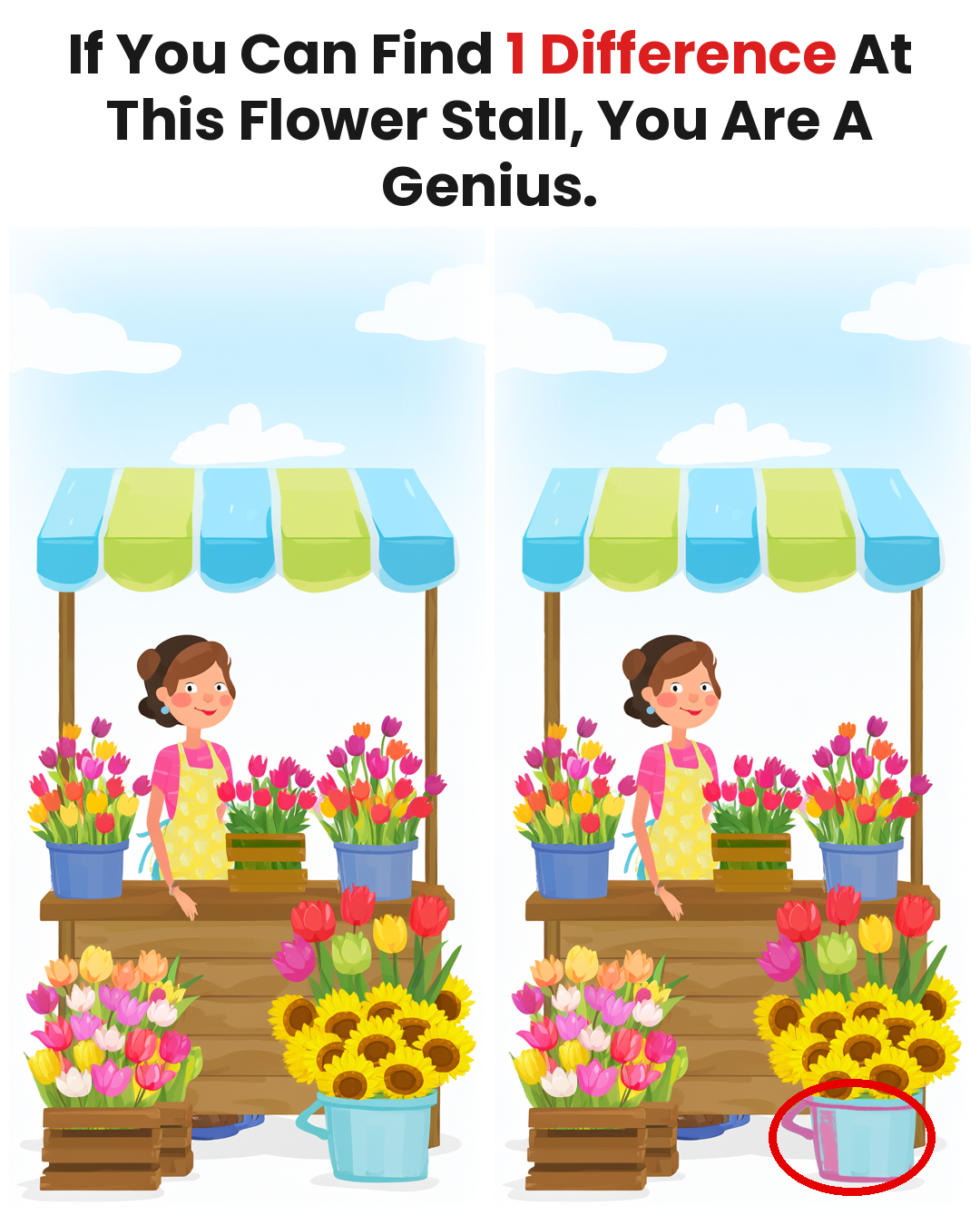
ANSWER: The bucket of sunflowers changed colour – its rim and handle are pink on the right instead of blue.
Where The Change Was Hiding
Look at the big bucket of sunflowers in the bottom right corner of each picture. In the left picture that bucket is a soft blue, with a blue rim and a blue handle. In the right picture the rim and the handle have turned pink.
It is a small change of colour on an object that most people never really look at. The sunflowers above it are huge, golden and loud, and our eyes stop there. The bucket is only the thing holding them up, so the brain files it away as background and never checks it again.
That is the whole trick. The change was never hidden in a dark corner – it was sitting in plain sight, underneath the most beautiful thing in the picture.
Why Most People Miss It
Two things work against us here. First, the bucket is at the very bottom edge of the frame, and we naturally start looking at the middle and the faces. Second, the change is a colour change, not a missing object. Our brain is much better at noticing that something has disappeared than at noticing that something has changed shade.
If you want to train yourself, make a habit of checking the four corners of a picture first, before you look at the middle. You will be surprised how often the answer is waiting there.
How Did You Do?
Under 15 seconds: eagle eyes. You compare pictures the way a professional proofreader reads a page.
15 to 30 seconds: excellent. That is faster than most people manage.
30 to 60 seconds: right in the normal range, and nothing to be ashamed of.
Over a minute, or you needed the answer: do not worry at all. This one was built to be quiet rather than obvious, and the next puzzle will suit your eyes better.