They Thought It Was Just a TikTok—Until a Soldier Arrived
They thought pushing her was just another clip for TikTok at a Midwest high school…
But they didn’t know her father had just come home from deployment—and the timing changed everything.
People think falling is loud. It isn’t. The loud part comes after.
It was the last week before winter break at Ridgeway High, the kind of gray December afternoon where everyone was restless and half-checked out. The hallways smelled like wet jackets and cafeteria coffee. I was cutting through the science wing stairs because they were faster, headphones in, mind somewhere else.
I never heard them behind me.
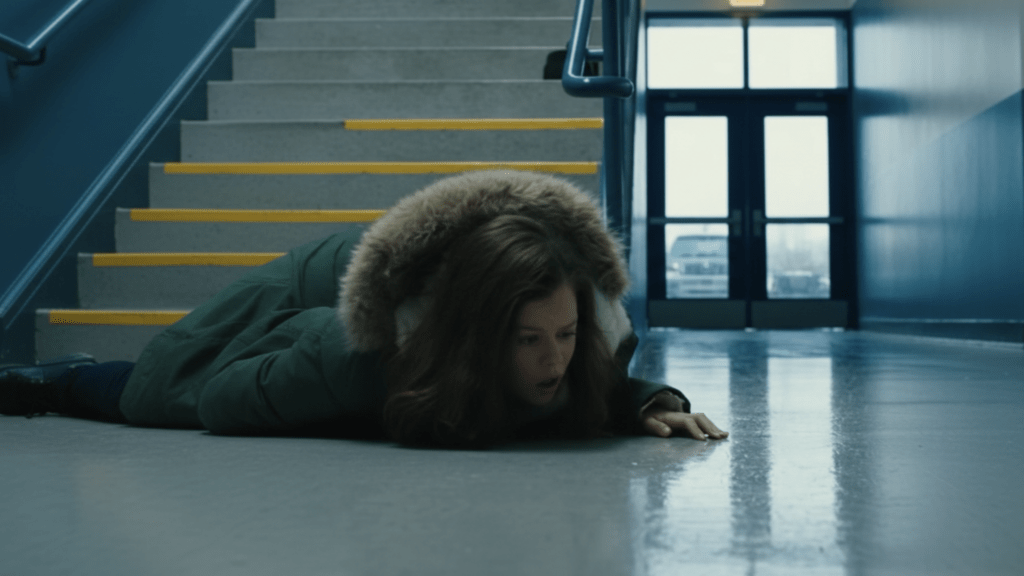
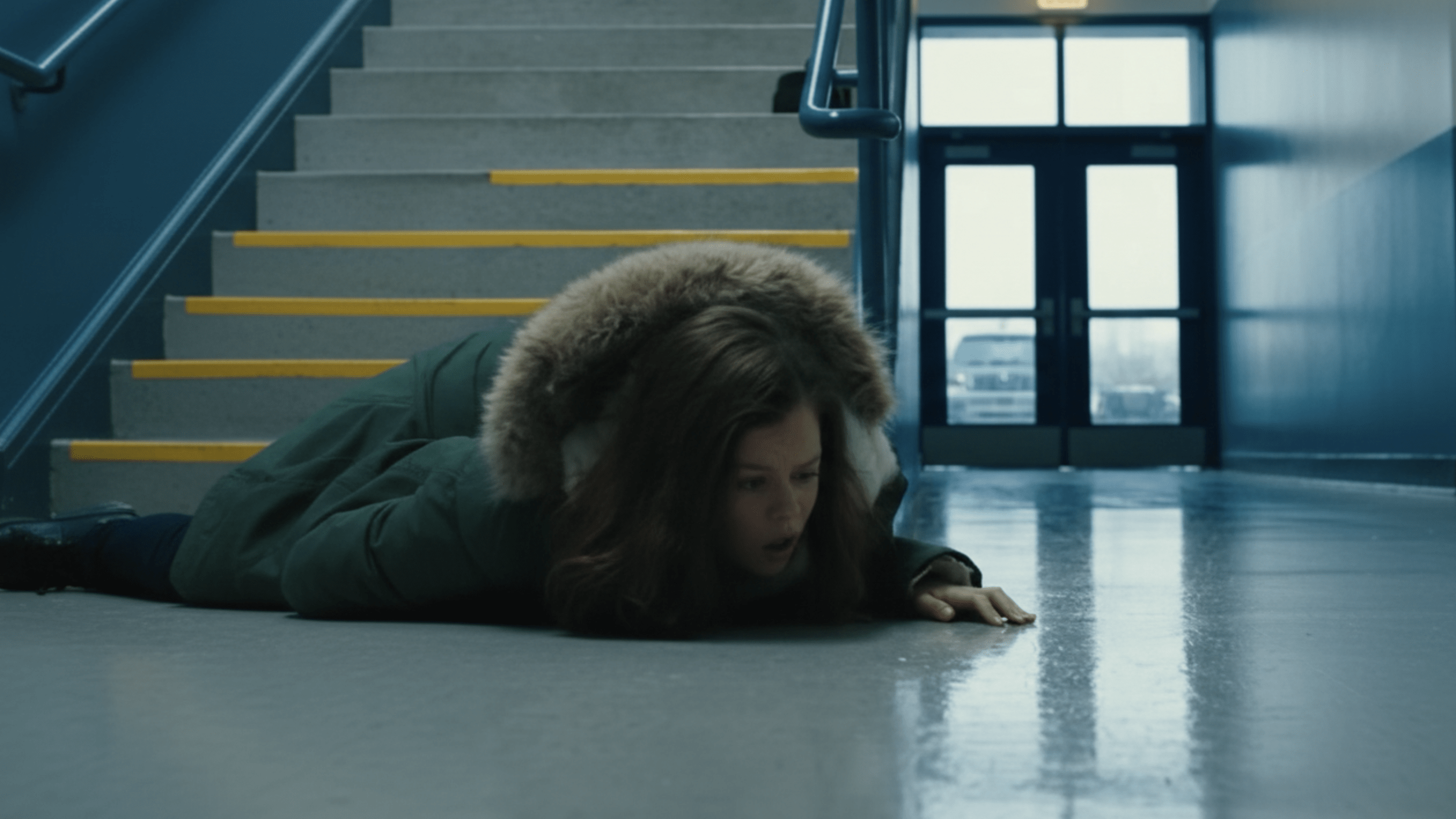
What I felt was pressure—sudden and sharp—right in the middle of my back. Enough to break balance, not enough to feel accidental. My foot missed the step. My phone flew out of my hand and slapped against the wall. Then gravity did what it always does.
I remember thinking, This is stupid, right before my shoulder hit. Then my knee. Then my head caught the edge of a step and everything went hollow and bright at the same time.
When I stopped moving, I was at the bottom, staring at the exit sign like it was the only thing still working.
Someone laughed.
“Hold on, hold on—do it again,” a voice said. “Wait, she’s actually hurt.”
That’s when I realized the sound wasn’t echoing in my head. It was coming from phones.
I tried to sit up and couldn’t. My left arm didn’t feel like mine anymore. My chest burned every time I breathed.
“Are you crying?” another girl asked, delighted. “This is gold.”
I knew their voices. Everyone did. They ran half the school’s social media pages. They decided who was invisible and who wasn’t.
I thought about my dad without meaning to. He always came up when I was scared. He’d been gone almost nine months this time. Somewhere with bad reception and worse weather. We talked when we could. He promised he’d be home before Christmas. I didn’t really believe him.
I closed my eyes.
Then something shifted.
The hallway noise dropped—not all at once, but like a dimmer sliding down. I heard footsteps that didn’t rush or shuffle. They landed with intention.
Boots.
I opened my eyes just as the double doors at the end of the hall opened.
Six men stepped inside. No one spoke. They didn’t need to. They moved like people who trusted each other to know what came next. Their uniforms were clean but worn, the way work clothes are when they matter. Flags stitched on their sleeves.
And there was my dad.
Captain Aaron Cole.
He hadn’t changed much—same posture, same steady face—but something about him looked heavier, like he’d brought the weight of somewhere else back with him.
He saw me immediately.
I watched his jaw tighten as he crossed the floor. He dropped beside me, one knee down, one hand braced near my shoulder but not touching until he asked.
“Hey, kiddo,” he said quietly. “Can you look at me?”
I did.
“Good,” he said. “Stay still. You’re safe.”
Behind him, his team spread out without a word. Not aggressive. Just present. The girls at the top of the stairs froze, phones still raised, smiles already fading.
One of them laughed nervously. “Is this a prank or something?”
My dad stood up.
“Which one of you pushed her?” he asked.
No yelling. No threats. Just a question that expected an answer.
One phone slipped and skidded down the steps. Another girl tried to turn her screen off too late.
A teacher rushed over, confused, overwhelmed. “Sir, you can’t—”
“This is my daughter,” my dad said, not looking at him. “And this is assault.”
The word hung there, heavier than yelling would have been.
The medic—someone everyone called Ray—knelt beside me, already checking my pupils, asking about pain, explaining everything before he did it. His voice was calm enough that I stopped shaking.
At the top of the stairs, the girls were crying now. Not the loud kind. The stunned kind.
“You’re going to help her up,” my dad said. “Carefully.”
Their hands trembled as they followed instructions. People watched from classroom doors. No one filmed anymore.
The principal arrived. Then security. Then parents. Everything happened slowly and all at once.
In the nurse’s office, my dad stayed standing, arms crossed, listening. When one of the girls’ mothers tried to brush it off—kids make mistakes, it was a joke—my dad reached into his pocket and placed his phone on the desk.
“I was recording my arrival,” he said. “Audio. Time stamps.”
No anger. Just facts.
The room went quiet.
Ambulance lights reflected off the windows later that afternoon. I didn’t need a stretcher, but they insisted on checking me anyway. My dad rode with me, holding my good hand, answering questions like he’d been training for this his whole life.
At the hospital, they wrapped my arm and told me about bruises and rest and things that would heal.
Some things didn’t need stitches.
The videos came down that night. Apologies went up. School policies suddenly mattered again.
What stayed with me wasn’t the punishment or the attention.
It was the moment in the hallway—when fear stopped because someone who knew how to handle chaos walked in and made it smaller.
My dad came home when he said he would.
And this time, he stayed.