She Hadn’t Spoken in Two Years… Until This Stranger Came Along
She hadn’t spoken in two years… But a stranger’s simple act of play brought her laughter back. Full story in the comments.
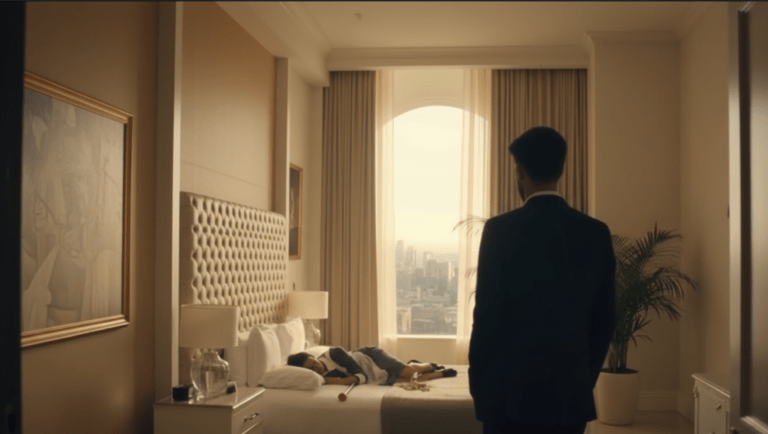
The silence in our home was suffocating. Every step echoed across the marble floors of my Austin hilltop estate, but the sound didn’t belong—it was swallowed by a vacuum of grief and absence. I’m Aaron Matthews, a man who rebuilt skylines, who commanded steel and glass as if they were clay. I had every material thing a man could want. And yet, my life was hollow.
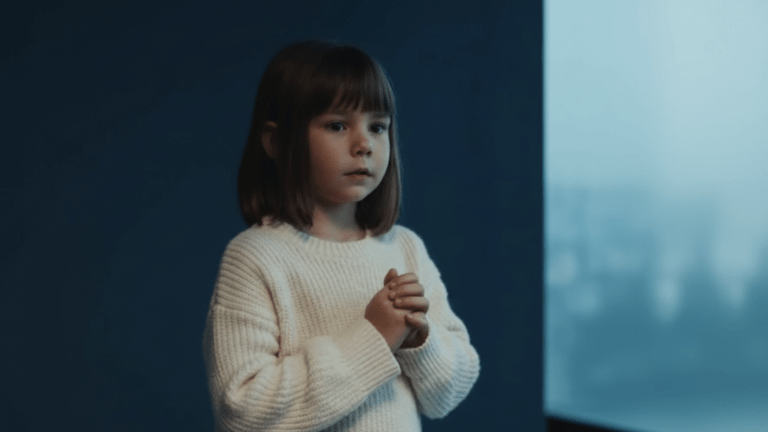
My daughter, Lily, hadn’t spoken a word since her mother, Emily, died. Four years old when the ambulance took her from us, Lily had turned inward. Her eyes, mirrors of her mother’s, had gone blank. The laughter, chatter, even the smallest expressions of joy had vanished. For 734 days, I’d walked through our sprawling estate surrounded by silence, each quiet step a reminder of what had been stolen from us.
We tried everything. Specialists, therapists, world-renowned psychologists, even trips across the country. Nothing broke the wall Lily had built around herself. Every gentle word, every colorful toy, every patient approach failed. Eventually, I gave up and retreated into work, the one thing I could control. Skyscrapers rose from the ground at my command while my home, my child, my family crumbled.
Mrs. Betty, my head housekeeper and the sole remaining bridge to Emily’s memory, managed the estate with quiet authority. She hired a new aide, Jenna, whose name barely registered on a payroll report. I never saw her. I barely saw anyone. Until that Tuesday.
A catastrophic business failure had left me reeling. My frustration boiled as I drove my McLaren through the sun-scorched streets of Austin. By the time I arrived home, I wanted to destroy something. Anything. But I wasn’t prepared for the sound that met me when I entered the house.
Laughter.
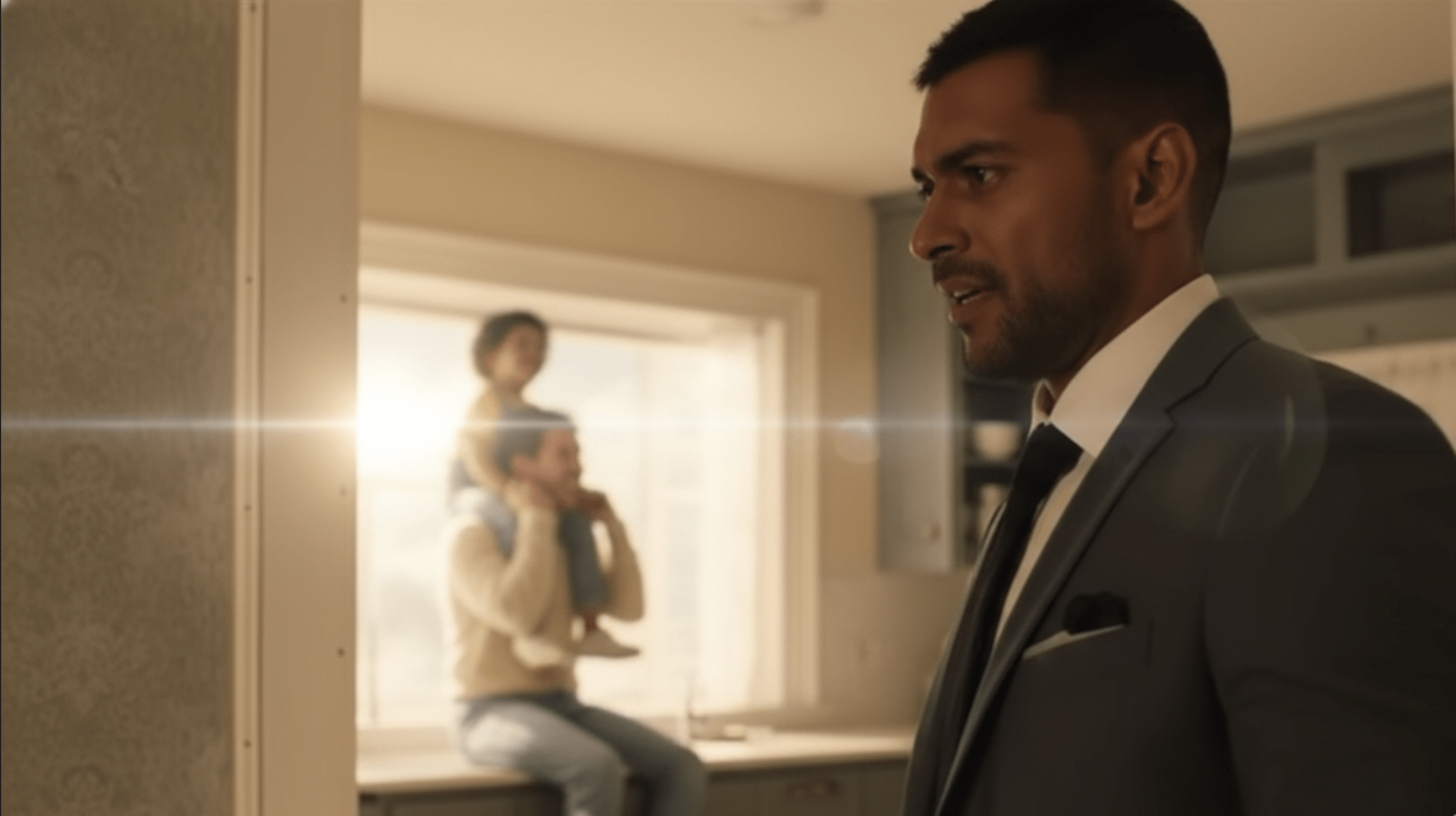
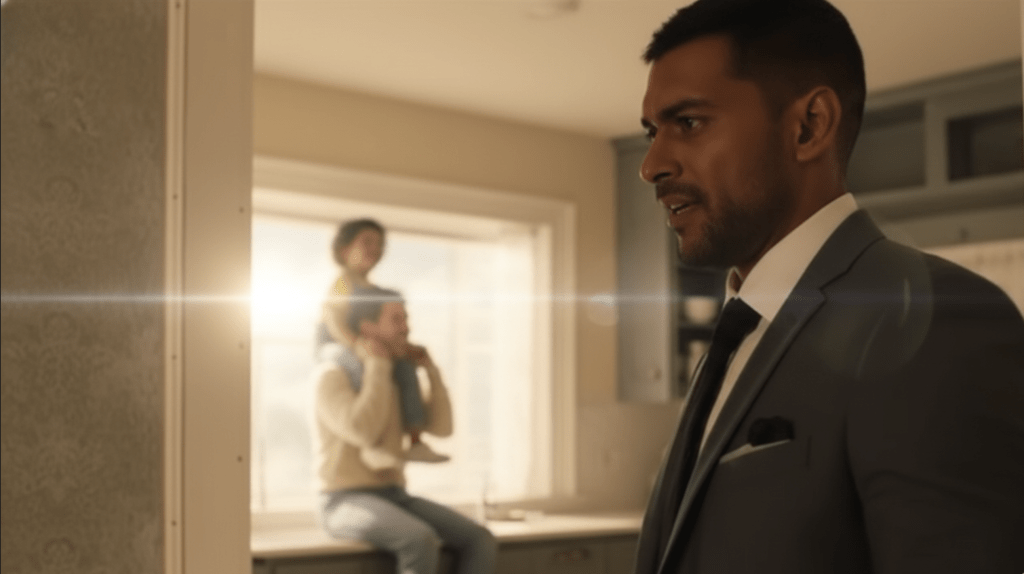
It was Lily. My Lily. The peals of joy pierced the oppressive silence like a blade. She was on the shoulders of Jenna, bouncing up and down, shrieking with delight as they pretended to launch a rocket ship. Jenna’s voice, playful and warm, made rocket “whooshes” that filled the room.
I froze. Rage, confusion, disbelief—it all collided in my chest. How dare someone else make her laugh? How dare she move without me, find joy without my permission? I ordered Jenna to put her down. My voice, cold and commanding, crushed the light in Lily’s eyes. Her laughter stopped. The life drained from her small body as if I had flipped a switch.
Jenna, panicked, complied, and I fired her on the spot. Lily retreated to the corner, her back turned, silent once more. The house was dead again, but this time the silence carried the weight of my own cruelty.
For three days, the estate was a tomb. I tried to immerse myself in work, but the numbers blurred. The boardroom, the glass towers, even my empire felt meaningless. I kept replaying the scene, the rage, the jealousy. I hadn’t just fired an employee—I had punished my daughter for daring to find happiness.
On the fourth day, Mrs. Betty came to me. Her presence was calm, her gaze piercing. “You made a terrible mistake,” she said, holding up a piece of paper—a torn grocery list with notes on the back. It detailed Jenna’s quiet work: folding laundry, speaking softly to the air, creating a rhythm in the lifeless house. Lily had been watching for a week, learning, waiting.
And then, the moment arrived. She had spoken. One word: “Up.” Four tiny letters written in hesitant crayon on the back of a list. It was a bridge back to life, a spark of what had been lost. The laughter I had destroyed had been a miracle, and I had crushed it with my own hands.
Shame buckled my knees. The blueprints for my new tower seemed trivial in the face of what I had destroyed. I hadn’t been protecting Lily. I had been protecting my grief. And I had nearly lost her trust, her spirit, forever.
I drove to Jenna’s apartment, a modest building in a part of Austin I only ever saw from a helicopter. I found her, exhausted, caring for her younger siblings, Leo and Maya. The boy was sick, hacking and pale; the girl shy and silent. Jenna’s eyes widened when she saw me, fear and distrust clear in her gaze.
“I was wrong,” I said, voice hoarse. “She needs you. I was a jealous, grieving fool. Please—come back. Whatever you want, I’ll provide.”
For a long, agonizing moment, she considered. Finally, she unhooked the chain and opened the door. We brought her and her siblings back to the estate. Medical care was arranged immediately for Leo. Maya had a safe place to study. And Lily… Lily returned to life, tentatively at first, learning joy again.
The house, once a mausoleum, filled with laughter, chatter, and chaos. Jenna didn’t just bring Lily back—she restored the family, taught me how to be a father again. Together, we planted roses in the neglected garden. We built a new life from the broken pieces, creating a foundation to help children from families like Jenna’s, giving them the chances she gave us.
Years later, I watched Lily, now a confident young woman, leading a tour through the rose garden. She touched the blooms with reverence, naming each one. She paused at two: “Emily,” for her mother, and “Jenna,” for the woman who taught her how to live again. I held Jenna’s hand, tears finally falling freely—not for what we lost, but for what we had found.
The silence was gone. The estate was alive. And I had learned, in the hardest way imaginable, that love and joy cannot be forced—they must be nurtured, patiently, with an open heart.