They Thought He Was Broke… The Truth Froze the Room
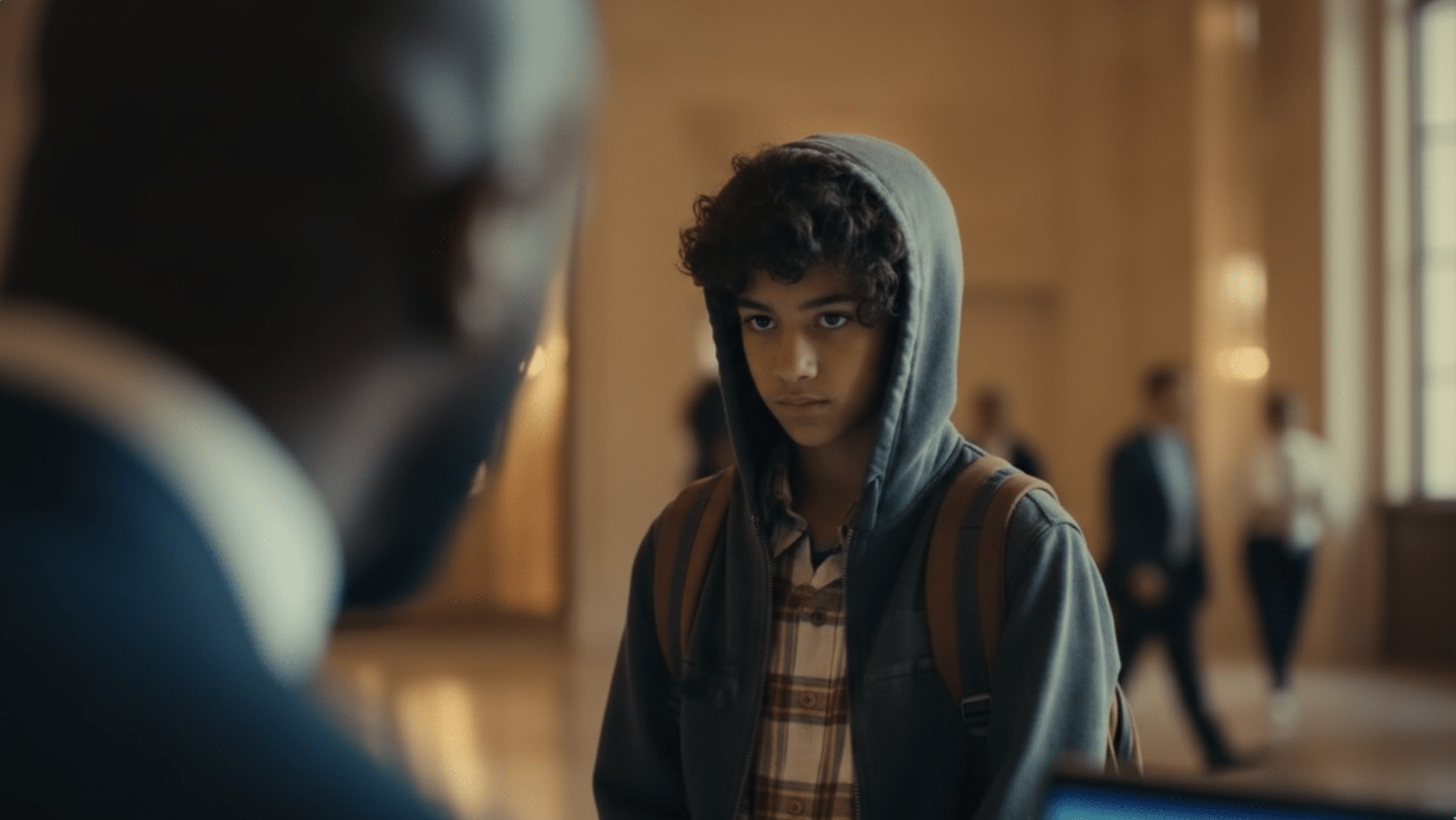
They laughed at the boy in the faded hoodie… But when the banker opened the file, his hands began to tremble.
What the screen revealed would change a city forever.
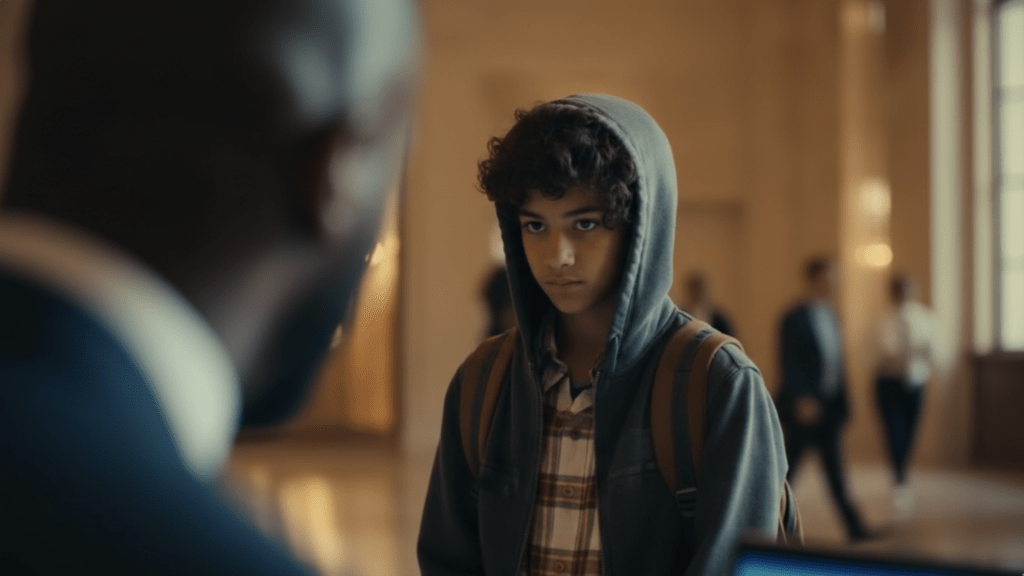
They escorted Noah to the VIP floor with polite smiles sharpened by quiet amusement. The kind reserved for people who don’t belong but haven’t been rude enough to remove yet. Suits whispered. Glasses clinked. A laugh—small and high—floated from a corner. Boys in faded hoodies didn’t come here unless they were delivering coffee.
“Kid,” said Whitaker, the VIP manager, his suit pressed into submission, “what exactly are you doing on this floor?”
Noah slid a thin folder across the marble counter with careful hands. “My grandfather opened a savings account when I was born,” he said. “He told me to come here. He died last week.”
Whitaker glanced at the papers with the expression of a man expecting a childhood allowance. He typed. Numbers rolled. Someone murmured, “A couple grand, maybe.” Another chuckled.
Then Whitaker froze.
The screen went blank for a heartbeat—as if the system itself needed courage—before flooding with documents, trusts layered inside trusts, safeguards stacked like armor. Whitaker’s fingers trembled.
“I… need to speak with you privately,” he said, the arrogance draining from his voice.
They moved Noah into a dim side office. Wood-paneled. Quiet. Heavy. Mr. Harrison, senior superintendent, shut the door like he was sealing a vault. A woman entered moments later—Linda Graves, attorney—carrying a wax-sealed envelope.
She read aloud.
“My beloved grandson. If you are hearing this, it is because I trusted you to choose wisely. There are three paths…”
Immediate control. Deferred protection. Or rejection of the fortune entirely.
Noah swallowed. He was ready to choose safety—until the door burst open.
A man stumbled in, breathless, clothes wrong for the room. His eyes locked on Noah and softened. “Don’t look at the screen,” he said. “Please. Not yet.”
Behind him came Emily—Noah’s mother—already crying.
“Noah,” the man whispered. “I’m your father.”
The room tilted. The word father echoed where years of silence had lived.
“Where did you go?” Noah asked.
“I ran,” the man said. “Because your grandfather made enemies. Dangerous ones. I stayed away to keep you alive.”
The truth spilled fast after that. The fortune wasn’t just money—it was a target. Men tied to governments and corporations wanted it buried, stolen, controlled. Linda’s phone buzzed. “They already know,” she said quietly. “The account just woke up.”
“Do you want to see it?” she asked Noah.
He looked at his mother. At the man who had been a ghost. At the key his grandfather had left him, biting into his palm.
“I want to know,” Noah said. “So no one can use it to hurt kids like me.”
He clicked.
Four hundred eighty-two million dollars.
Silence crouched in the room like a predator.
That number wasn’t freedom—it was a flare in the dark.
They didn’t celebrate. They fortified. Linda built walls of legality. Whitaker installed eyes everywhere. The Carter Foundation for Tomorrow was born—not flashy, not loud. Scholarships. Food vans. Teacher grants. Quiet help that didn’t beg for applause.
Threats came anyway. Letters. Men watching from across the street. A van in an alley one spring night—chased off by cameras and patrol cars. The danger never vanished. It learned patience.
So did Noah.
He stayed in school. Sat in meetings. Learned that money could be soil instead of fire. He helped kids who reminded him of himself. Jamal, who wanted tools. A girl with a torn notebook. Families counting coins like prayers.
Years passed. The foundation grew roots.
When Noah turned twenty-one, the lawyers asked if he wanted out.
He looked at the room—his mother, his father, kids who’d been caught before they fell.
“I want to continue,” he said. “I want this to be an engine of second chances.”
The enemies faded—not dramatically, but bureaucratically. Power hates sunlight and patience. One by one, the threats dissolved.
On a warm afternoon years later, Noah stood in a park his foundation helped build. Children ran through sprinklers. A boy pressed a drawing into his hands—a map labeled Safe.
“You did good,” his mother said.
“We did,” Noah replied.
He touched the brass key at his chest and thought of his grandfather’s final words: A heart that helps is worth more than a hand that takes.
They had turned a fortune into doorways.
And the boy in the faded hoodie never ran again.