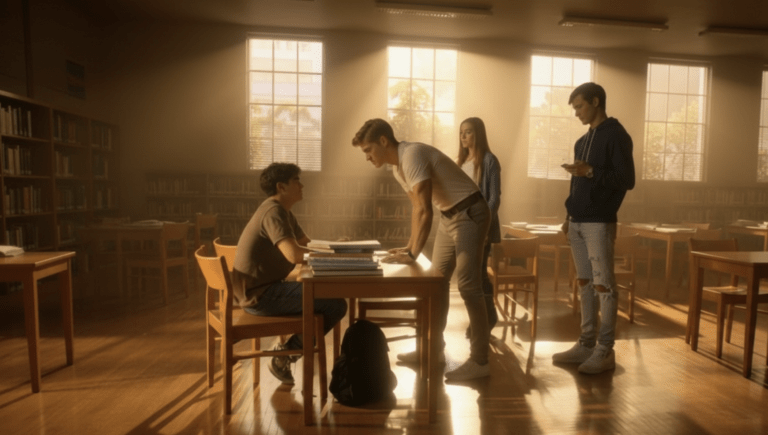
High School Bully Hits Quiet Girl — Her Teacher Dad Was Watching
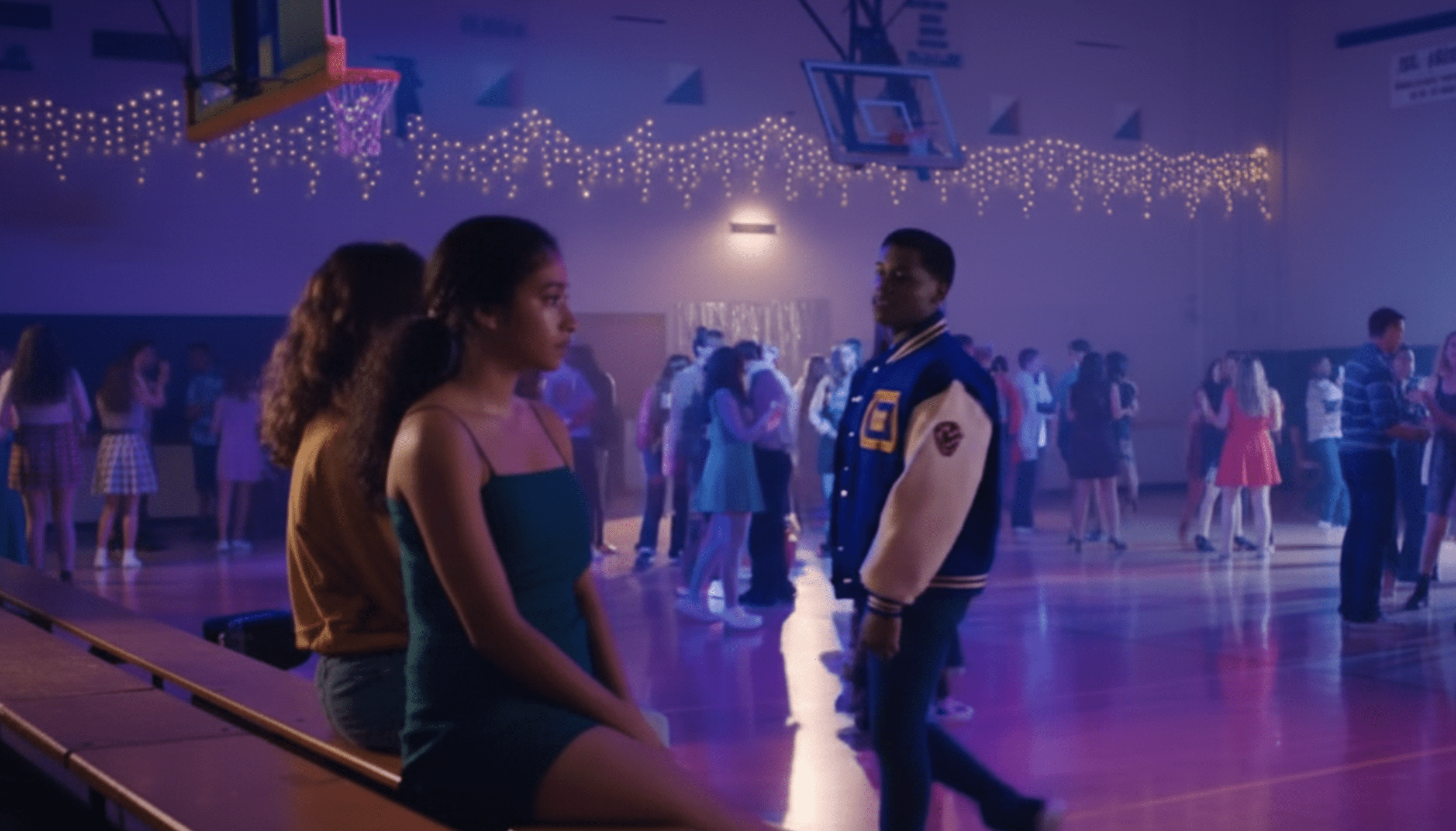
A senior boy slapped a quiet girl at the school dance in front of everyone… But her father had been standing at the gym door for twenty minutes waiting to pick her up — and he’d seen the whole thing through the window.
Ray had told Maya he’d pick her up at ten. He was early. Always early.
Twenty-two years of teaching had given him the habit of arriving before things started so he could read the room. He’d pulled into Jefferson High’s parking lot at nine forty-two, engine running, keys in hand.
At nine fifty-three, something changed in the light through the gymnasium windows. The shift of a room where something was happening that wasn’t dancing.
He walked to the doors. Looked through the window. Found Maya in four seconds.
On the floor. Hand on her face. A senior boy standing over her, laughing with his friends.
Ray came through the door. Keys still in his hand.
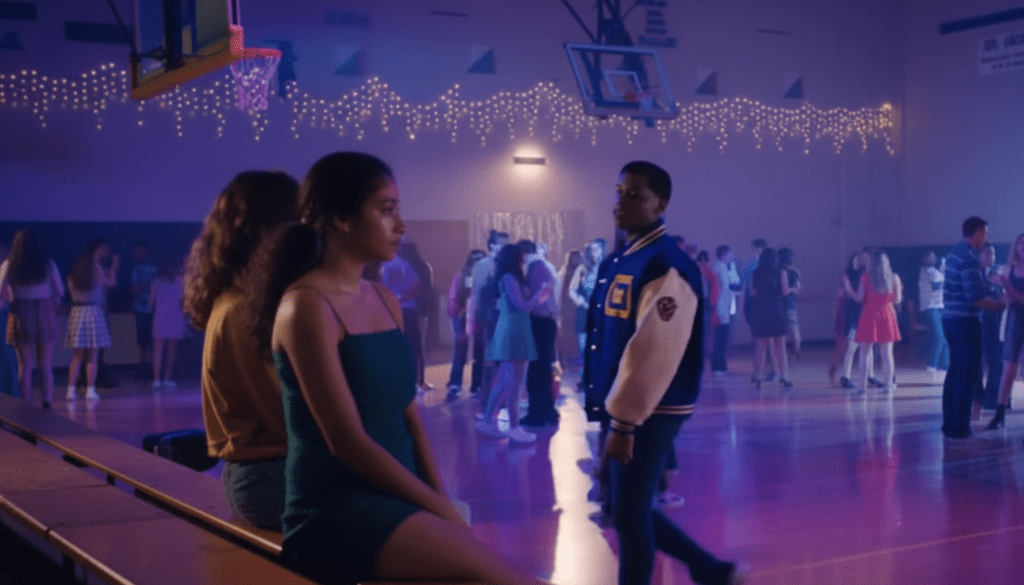
The gymnasium smelled like cheap cologne and teenage desperation. Colored lights swept over two hundred students. Near the bleachers, his daughter sat on the floor while the boy performed for his audience.
“That’s what happens when you don’t know your place,” the boy said, grinning at his friends.
Ray walked across the floor. Students moved without being asked — recognizing something they couldn’t name but understood.
He reached Maya. Crouched beside her. “Let me see.”
She moved her hand from her cheek. Red mark. But her eyes were okay.
Ray set his car keys on the bleacher beside her. The small sound of metal on wood in a gymnasium that had gone quiet.
He stood. Turned to the boy.
“I’ve been teaching at this school for twenty-two years,” Ray said. His voice carried without effort. “I know your parents. I know your teachers. I know your transcript.”
The boy’s friends stepped back.
“Why,” Ray said. “Why did you think that was something you could do.”
Not aggressive. An actual question from a teacher who’d spent two decades asking questions and waiting for real answers.
The boy had no answer.
“Principal’s office. Monday morning. Seven AM. I’ll be there.”
The boy looked at the keys on the bleacher. At Maya. At Ray’s unremarkable gray fleece and the twenty-two years behind his eyes.
He left.
Ray sat beside Maya. She was looking at his keys.
“You were in the parking lot,” she said.
“Nine forty-two.”
“You were early.”
“I’m always early.”
Maya watched the dance resume around them — slowly, carefully, the way things continue after something real interrupts them.
“You saw it through the window.”
“Yes.”
“How long were you watching?”
Ray looked at his keys. “Long enough.”
She studied her father — the gray fleece, the jeans, the bad shoulder from college basketball, the keys set down instead of used to leave.
“You set your keys down.”
“I’m not going anywhere.”
Maya looked at the keys. Then at him. “Can we go home?”
Ray picked up his keys. Stood. Held out his hand.
She took it — sixteen years old, school dance, her father’s hand in front of everyone — and didn’t care who saw.
They walked across the gymnasium floor. The colored lights kept moving. The DJ kept playing. The dance continued.
At the door, Ray held it open. Maya walked through. He followed.
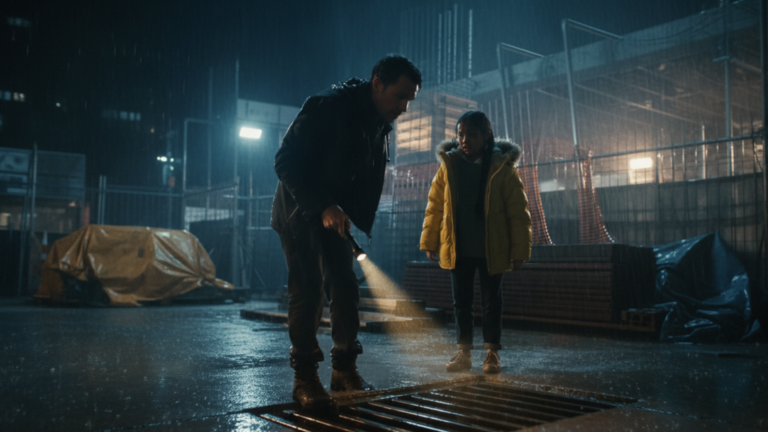
In the parking lot, the car was still running. Heat on. Ready. Already pointed toward home.
Maya got in. Ray got in. He pulled onto the empty street.
“Nine forty-two,” Maya said.
“I told you ten.”
“You’re always early.”
“Yes.”
Maya looked out at the November dark. “I’m glad.”
Ray drove. The heater ran. The keys in the ignition now — not on a bleacher, not in a parking lot, not in his hand walking across a gymnasium floor.
Just taking them home.
Monday morning came at seven AM sharp. Ray sat in Principal Henderson’s office when the boy arrived — late, disheveled, clearly hoping this had been forgotten.
“Sit down, Marcus,” Principal Henderson said.
Marcus sat. Avoided Ray’s eyes.
“Mr. Okafor has been teaching here longer than you’ve been alive,” Henderson said. “He’s never asked for a meeting like this. So I’m listening.”
Ray opened a folder. “Security footage from Friday night. Three different angles.”
Marcus’s face went white.
“Maya’s medical report from the ER. Bruised cheekbone. Possible concussion symptoms.” Ray set down another paper. “Witness statements from twelve students.”
“It wasn’t that bad—” Marcus started.
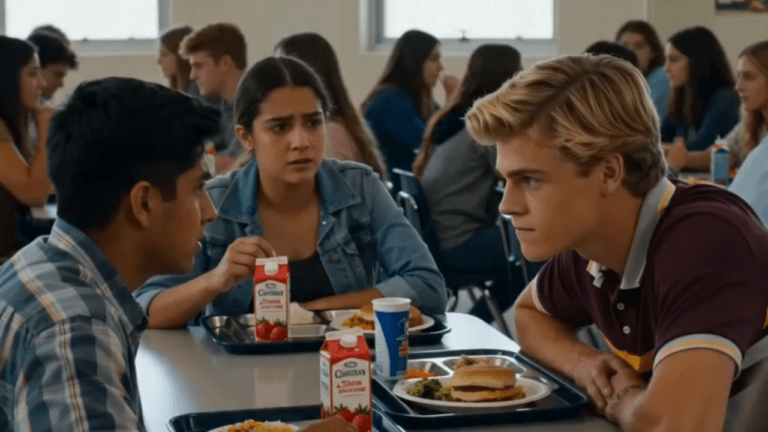
“You hit a girl half your size in front of two hundred people,” Ray said quietly. “Then you stood over her and said she didn’t know her place.”
Henderson leaned forward. “Is that accurate, Marcus?”
Marcus said nothing.
“Here’s what’s going to happen,” Henderson said. “Immediate suspension. Pending expulsion hearing. Your college applications will include this incident report.”
“You can’t—”
“I can. I will.” Henderson stood. “Mr. Okafor, thank you for bringing this to my attention.”
Ray gathered his papers. At the door, he turned back.
“Marcus,” he said. “My daughter knows her place. It’s anywhere she wants to be. Without asking your permission.”
The expulsion hearing lasted fifteen minutes. Marcus’s parents hired a lawyer. It didn’t matter.
The security footage spoke for itself. So did the witnesses. So did Maya, who testified with the same quiet strength she’d shown that night.
Marcus was expelled. His college acceptances were rescinded. His father’s law firm quietly asked him to find other plans.
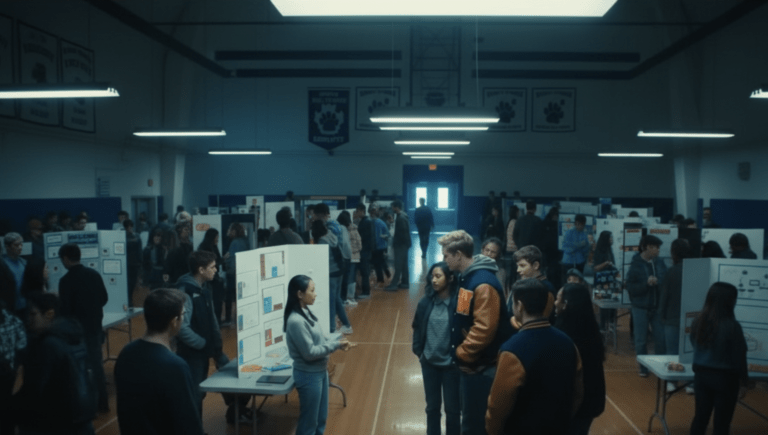
Maya returned to school the following week. Students who’d never spoken to her before nodded in the hallways. Not out of pity. Out of respect.
She’d stood up by sitting down. By letting her father’s twenty-two years of teaching speak for both of them.
Ray kept arriving early to everything. Maya kept letting him.
Some habits were worth keeping.