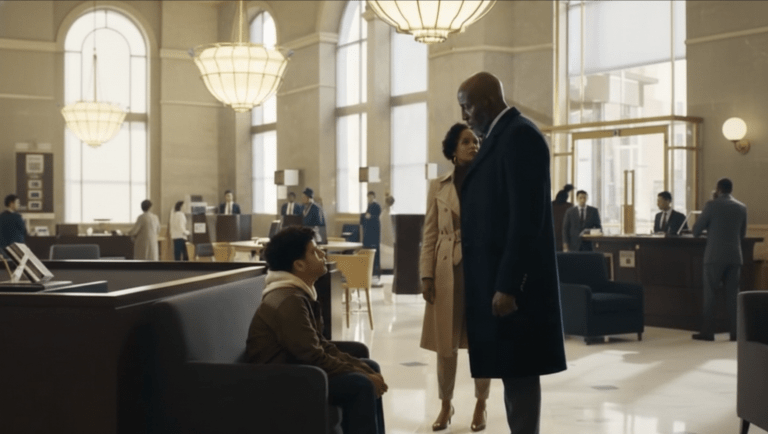
He Ate Alone for Years… Until a Little Girl Sat Beside Him
A cold millionaire was interrupted at breakfast by a maid’s little girl asking for coffee…
But that single question shattered his grief and rebuilt an entire family.
The morning it happened, no one expected anything to change.
Romário Vilela sat alone at the head of a table long enough to seat twenty. The food was flawless, untouched, arranged by staff who knew better than to speak unless spoken to. Fresh bread, cut fruit, silver coffee pots, and a carrot cake he never ate.
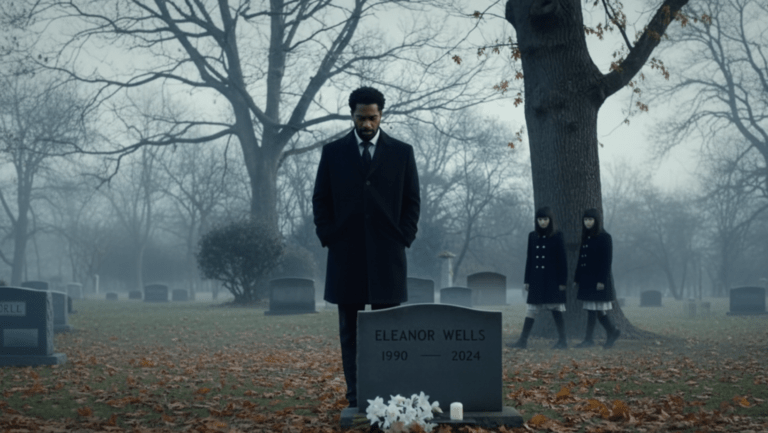
The mansion was alive with quiet footsteps—and yet, it felt like a mausoleum.
Romário was a man people avoided instinctively. Cold eyes. Perfect suits. A presence that made even powerful men lower their voices. He had everything money could buy, and nothing that could keep him warm at night.
No wife.
No child.
No laughter.
Not since the accident.
Not since Camila and little Isabela were taken from him on a rain-slick road three years earlier.
He scrolled on his phone, numb, when a voice—small and steady—cut through the silence.
“Can I have coffee with you?”
He looked up, irritation flashing first… then confusion.
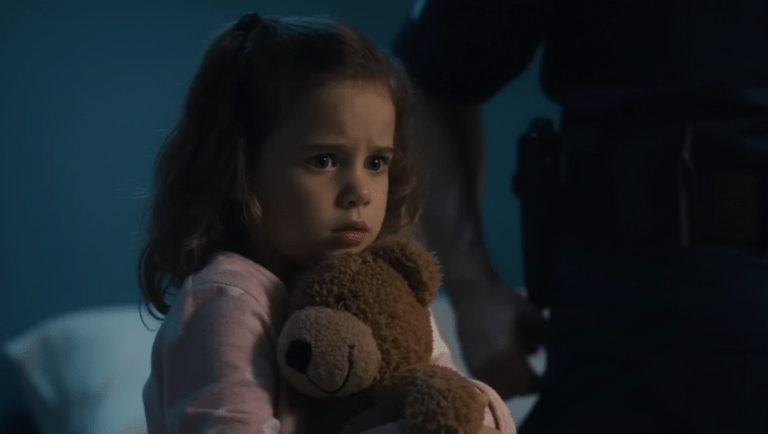
A little girl stood beside the empty chair to his right. Six years old, maybe. Messy blond hair. A pink backpack sliding off one shoulder. Blue eyes wide with curiosity, not fear.
“How did you get in here?” he asked sharply.
“Through the kitchen,” she said, smiling. “My mom works here. She went to get medicine for you, but I was hungry. And you’re alone.” She glanced at the table. “Nobody should drink coffee alone.”
Something inside him shifted—subtle, painful, like ice cracking.
“Does your mother know you’re here?”
“She told me to wait in the pantry,” the girl admitted, eyes dropping. “But I saw the cake…”
His gaze flicked to the empty chair. No one had sat there in three years.
“Sit,” he heard himself say.
Her eyes lit up. Before he could reconsider, she climbed onto the chair, legs swinging above the floor.
“I’m Melissa,” she said, grabbing cake with her hands. “What’s your name?”
“Romário.”
She chewed happily. “Is all this just for you?”
“Yes.”
“That’s sad,” she said matter-of-factly. “My mom and I share everything. Even when we don’t have much.”
The door burst open.
“Melissa!”
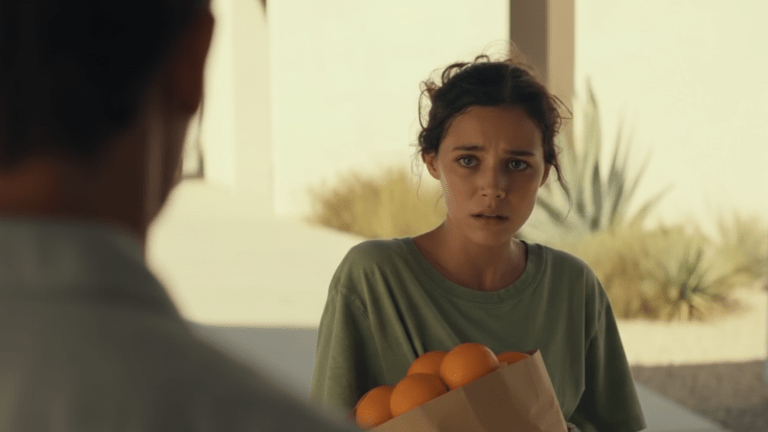
Lorena, the housekeeper, froze in horror at the sight of her daughter at the table with the man everyone feared.
“I’m so sorry, sir, she—”
“She asked to have coffee with me,” Romário interrupted. “I said yes.”
Lorena stared, stunned.
“Finish your cake,” he told Melissa. “And next time, come through the front door.”
“So I can come back?” Melissa asked softly.
He hesitated… then nodded. “You can.”
That morning, something long buried inside Romário woke up.
The following Saturday, he noticed the empty chair again.
“She’s at school,” Lorena explained.
Later, she heard muffled sobs behind his office door.
That night, she found an envelope on the counter. Inside—money. A note.
“For the mixer. R.V.”
He remembered everything.
The next week, Melissa returned with a drawing.
“I drew you happy,” she said.
He stared at the stick figure sun and felt his throat close.
From then on, Saturdays changed everything.
Pancakes. Stories. Laughter he didn’t recognize as his own. Slowly, he stopped seeing Melissa as a reminder of loss—and started seeing her as life.
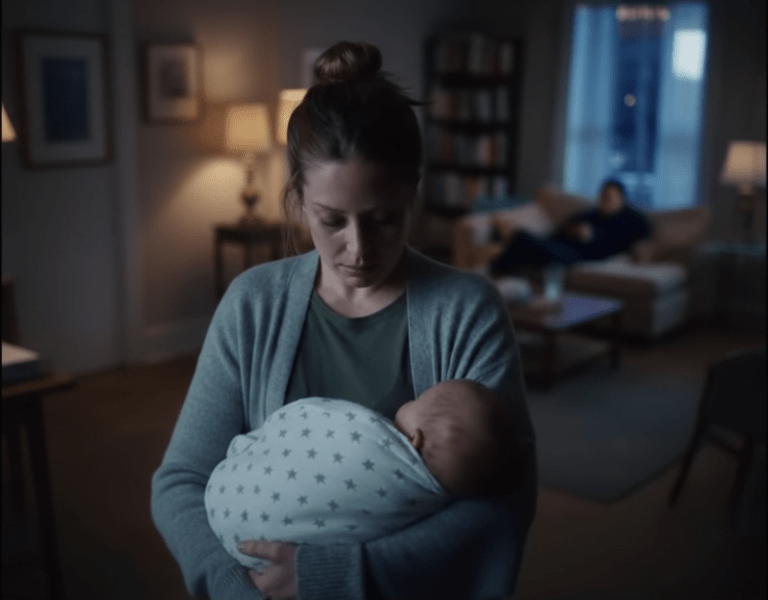
And Lorena? He began seeing her not as staff, but as a woman who had survived more than she ever complained about.
When he told her the truth—that her daughter made him feel alive—she was afraid.
When his mother arrived, venomous and cruel, trying to buy Lorena’s silence, Romário chose for the first time in his life… himself.
Then Melissa got sick.
Pneumonia. Forty-degree fever.
Romário found them in a public hospital waiting room and made a decision without hesitation.
“I love you,” he told Lorena that night. “Both of you.”
And when Melissa whispered, “Can you stay forever?” he answered without fear.
“Yes.”
What followed wasn’t easy. There were threats. Courtrooms. An absent father crawling back for money.
But Melissa spoke clearly.
“My dad chose me.”
The adoption papers were signed.
The proposal happened in a courthouse hallway.
The wedding was small, simple, real.
A family born not from blood or wealth—but from courage.
A year later, the table was the same.
But no one sat alone.
Sometimes love doesn’t knock on the front door.
Sometimes it walks in through the kitchen and asks for coffee.